Top Advantages of Using Round Column Formwork for Construction?
Round column formwork is increasingly favored in the construction industry. Its unique shape offers distinct advantages that enhance structural integrity. This innovative method simplifies the construction process. Builders appreciate the efficiency and reliability that round column formwork provides.
Using round column formwork can reduce construction time significantly. The design allows for faster assembly and disassembly, which accelerates project timelines. Moreover, it minimizes the need for continuous adjustments. This efficiency saves both time and labor costs.
However, it is essential to recognize possible challenges. The initial costs can be high, potentially deterring some builders. Additionally, training may be required to ensure proper usage. Yet, the long-term benefits often outweigh these initial concerns. When implemented correctly, round column formwork can lead to highly durable and visually appealing structures.
Advantages of Round Column Formwork in Construction Projects
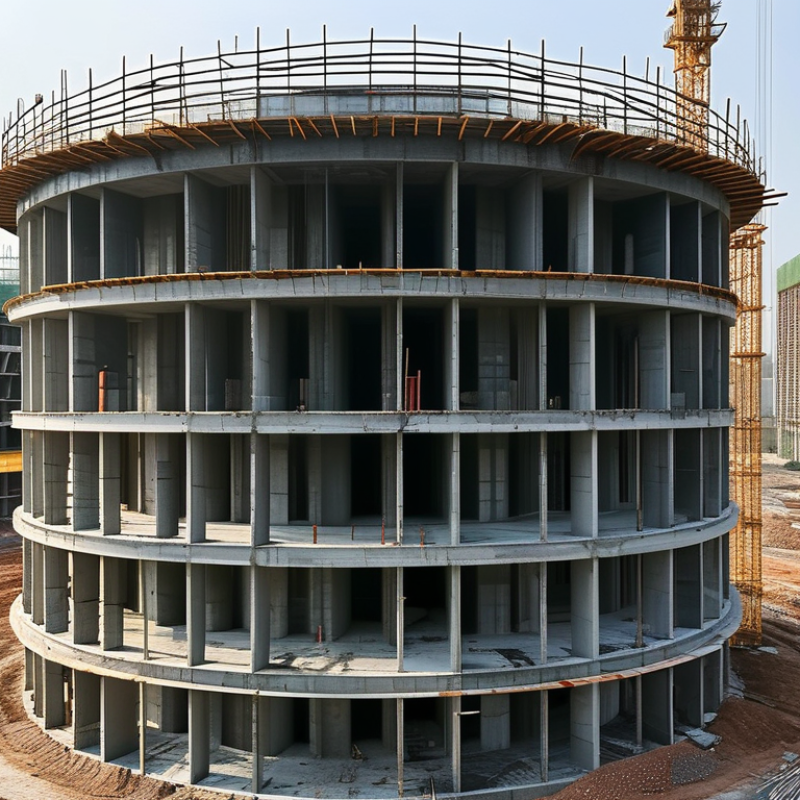
Round column formwork offers unique advantages in construction projects. Its design enhances the efficiency of pouring concrete for cylindrical structures. Using this formwork streamlines the construction process, reducing overall project time. Builders find that it is easier to handle, which minimizes labor costs and potential for errors.
The aesthetic appeal of round columns cannot be overlooked. They provide a modern look that captures attention in any building. Additionally, the smooth surfaces of these columns can improve the finishing process. Builders often appreciate how these forms allow for quicker demolding. However, careful planning is necessary to ensure they fit within project specifications.
While round column formwork has many benefits, it does not come without challenges. Some contractors may find its initial set-up phase to be cumbersome. Another concern is the need for precise alignment to avoid issues later. These aspects require skilled labor and proper equipment, which could impact project budgets. Acknowledging these factors can lead to better decision-making in project management.
Top Advantages of Using Round Column Formwork in Construction
Ease of Assembly and Disassembly for Efficient Operations
When it comes to construction,
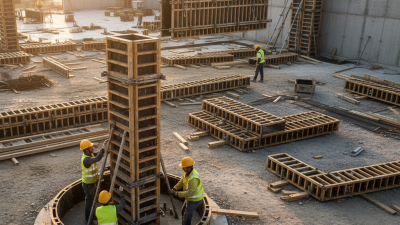
round column formwork stands out for its ease of assembly and disassembly. This feature significantly boosts efficiency on a job site. Construction teams can quickly set up forms, leading to faster project timelines. The intuitive design allows workers to assemble components with minimal tools. As a result, labor hours decrease, and productivity increases.
However, challenges can arise. Not every crew may be familiar with this type of formwork, which can slow down the initial setup. Inexperienced workers might overlook essential steps, leading to potential issues later on. Yet, the benefits often outweigh these concerns.
In addition, the lightweight materials used in round column formwork contribute to its ease of handling. Workers can maneuver pieces without extensive equipment. Still, companies should invest in training programs to ensure safe and effective use. As construction evolves, the demand for speed and efficiency becomes even more crucial, making round column formwork an attractive option for businesses aiming to stay competitive.
Enhanced Structural Integrity and Durability in Construction
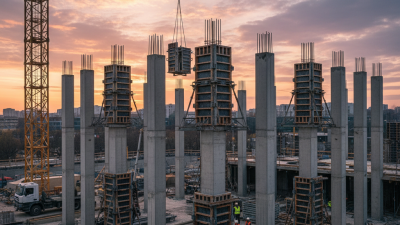
Round column formwork plays a vital role in construction, particularly in enhancing structural integrity. This system allows for the creation of strong, stable columns that can support considerable loads. The design of the round formwork optimizes the distribution of stress around the column. This utility ensures that pressure is evenly spread, minimizing points of weakness. As a result, structures remain resilient against external forces such as wind and earthquakes.
Durability is another compelling advantage of round column formwork. The materials used often resist wear and deterioration over time. High-quality formwork can withstand moisture, extreme temperatures, and other environmental factors. However, some may overlook proper maintenance. A lack of attention can lead to issues like warping or degradation, which ultimately compromises integrity. Constructing with round column formwork requires both skill and diligence to ensure longevity.
While round column formwork offers these benefits, it's essential to assess the unique needs of each project. Not all construction scenarios will benefit equally from round columns. Sometimes, alternative designs may perform better. Understanding the context of a build is crucial. This awareness allows engineers to balance aesthetics, functionality, and costs effectively.
Cost-Effectiveness of Round Column Formwork Solutions
Round column formwork has gained recognition in the construction industry for its cost-effectiveness. The initial investment in these solutions is often lower compared to traditional methods. According to a 2022 report from the Construction Industry Institute, round column formwork can reduce material costs by 15-25% due to its efficient design. This efficiency leads to significant savings in labor costs as well. A streamlined setup results in less time spent on the job site. Projects can anticipate shorter timelines, which ultimately lowers overall expenses.
Choosing round column formwork also promotes sustainability. With reduced material waste, the environmental impact is lessened. A study by the Environmental Protection Agency found that construction waste can account for over 25% of landfill content. Better resource management through round formwork solutions can contribute to waste reduction goals. Still, not all projects fit this model. Some may find round forms limit design flexibility. Stakeholders should carefully assess whether this option aligns with the specific needs of each project.
The ability to reuse round column forms enhances their value. According to industry standards, these forms can withstand multiple uses. This reusability can attract budget-conscious builders. However, wear and tear should be monitored. Maintaining the integrity of formwork is essential for successful outcomes. This balance between cost and quality remains a critical consideration in making construction decisions.
Top Advantages of Using Round Column Formwork for Construction
| Advantage |
Description |
Cost-Effectiveness |
| Quick Installation |
Round column formwork can be set up quickly, reducing labor time on site. |
Lower labor costs due to decreased installation time. |
| Improved Concrete Finish |
Provides a smooth surface and reduces blemishes on finished concrete. |
Reduces the need for costly finishing processes. |
| Reusable Material |
High-quality materials allow for multiple uses, enhancing sustainability. |
Lower overall material costs over time through reuse. |
| Versatility |
Suitable for various project types, accommodating different concrete shapes and sizes. |
Minimizes the need for multiple formwork types, saving on investment. |
| Enhances Safety |
Stable design reduces the risk of formwork failure during concrete pouring. |
Less chance of accidents leading to financial losses. |
Versatility and Adaptability for Various Project Designs
Round column formwork is an innovative solution widely adopted in diverse construction projects. Its design allows for exceptional versatility, accommodating various shapes and sizes. Builders can easily adjust the formwork to fit unique architectural requirements. In urban projects, this adaptability enables the integration of round columns into complex designs, enhancing aesthetic appeal.
The ease of assembly and disassembly is another advantage. Construction teams can quickly set up the formwork, saving valuable time. This efficiency is crucial, especially on tight deadlines. However, some challenges include precise alignment during installation. Any errors could affect the structural integrity of the columns.
Moreover, round column formwork caters to different materials, such as concrete or composite materials. This flexibility supports creative construction strategies. Its capability also extends to both small-scale facilities and large structures. Yet, attention to detail remains essential. Building professionals must ensure the formwork is robust enough to handle specific loads. Despite its many advantages, continuous adjustments and reflections on the process may be necessary for optimal results.