How to Use Bendy Formwork for Effective Concrete Construction?
In recent years, the construction industry has experienced a shift towards innovative materials and methods. One such advancement is the use of "bendy formwork." This flexible formwork technology allows for unique design possibilities that traditional materials cannot achieve. Reports show that flexible formwork can reduce labor costs and increase efficiency significantly.
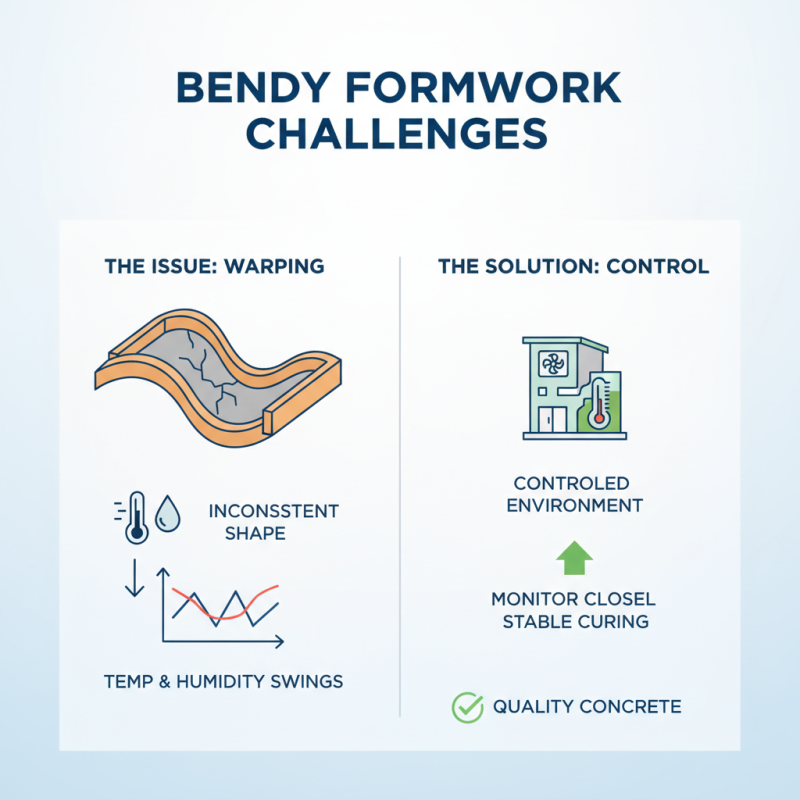
A study by the International Journal of Concrete Structures and Materials highlights that projects using bendy formwork can see a 20% reduction in construction time. This is crucial as the demand for faster project delivery continues to rise. However, the implementation of bendy formwork is not without challenges. Misalignment and inadequately secured formwork can lead to costly errors.
Despite these potential pitfalls, the benefits of adopting bendy formwork outweigh the drawbacks. Industry professionals must weigh the pros and cons carefully. Embracing this technology can lead to more ambitious architectural projects. Bendy formwork represents a transformative step in concrete construction. It encourages creativity and efficiency, but it also requires thoughtful execution and skilled labor.
Understanding Bendy Formwork: Definition and Applications
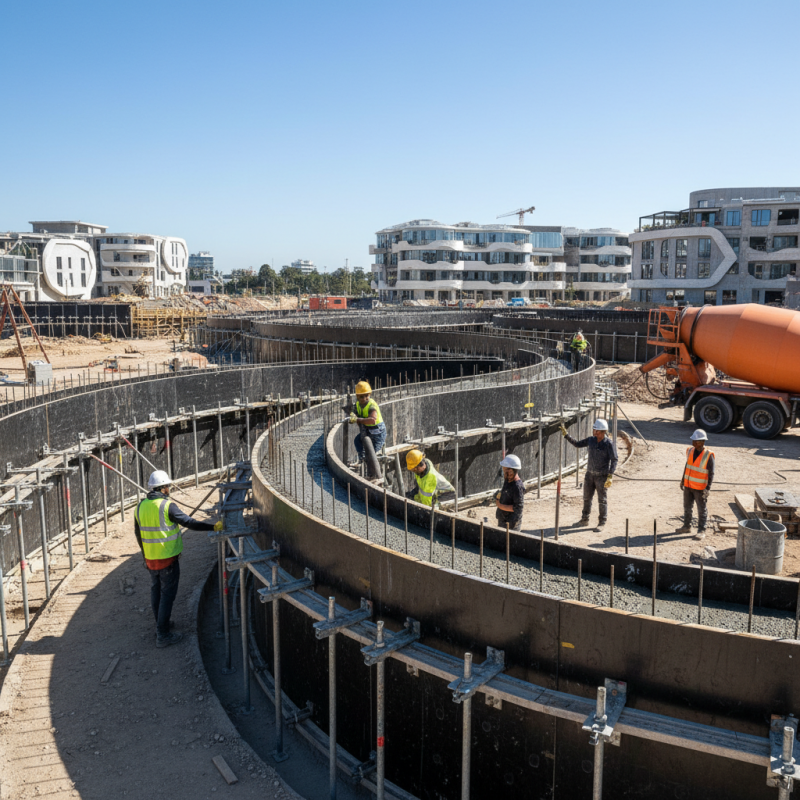
Bendy formwork is a versatile solution in concrete construction. It allows for curved and complex shapes that traditional formwork cannot achieve. This flexibility can enhance architectural designs and reduce material waste. According to a report by the American Concrete Institute, the use of flexible formwork can save up to 30% on materials. Designers can explore innovative forms, leading to more efficient structures.
The applications of bendy formwork are vast. It is often used in the construction of bridges, tunnels, and even sculptural elements in buildings. Despite its advantages, there are challenges. One must consider the skill level of the workforce. Not all teams are trained in using such systems. Error rates can increase if workers are unfamiliar with the techniques. This can lead to costly mistakes, which could negate the benefits of using flexible forms.
Moreover, the cost implications can vary. While initial costs may be higher, long-term savings can be significant. Research shows that projects often finish ahead of schedule using bendy formwork. This can reflect well on project timelines, reducing overall labor costs. Hence, understanding the balance between upfront investments and long-term gains is essential.
How to Use Bendy Formwork for Effective Concrete Construction
| Dimension | Details |
|---|---|
| Definition | Bendy formwork is a flexible and adjustable form used in concrete construction that allows for curved or intricate shapes. |
| Materials | Typically made from materials like wood, metal, or plastic, providing various levels of flexibility and durability. |
| Applications | Used in creating architectural elements, landscape features, and complex structural designs in buildings. |
| Advantages | Offers design flexibility, reduces waste, and can create aesthetically pleasing structures. |
| Installation Tips | Ensure proper support, avoid excessive bending, and use appropriate stripping times to prevent damage. |
| Cost Considerations | Initial costs may be higher than traditional formwork, but savings can be realized through reduced labor and material waste. |
Related Posts
-
What is Plastic Construction Formwork and Its Benefits in Modern Building Projects?
-

What is Flexible Formwork and How Can It Benefit Your Construction Projects
-
Top Benefits of Using Bendy Formwork in Modern Construction?
-

How to Use Flexible Concrete Formwork for Innovative Construction Solutions?
-
Why Adjustable Column Formwork is Essential for Modern Construction?
-
How to Use Flexible Concrete Formwork for Efficient Construction?