What is Formwork and What are the Advantages of Using It?

Formwork is a crucial component in construction. It shapes and supports concrete during the curing process. Experts in the field emphasize its importance. John Smith, a leading industry specialist, states, "The advantages of formwork are undeniable; they streamline the building process and ensure quality." This highlights the efficiency that formwork can bring to construction projects.

Utilizing formwork can significantly enhance construction speed. It provides the necessary support for concrete, allowing builders to achieve precise dimensions. However, not all contractors fully understand its benefits. Misconceptions can lead to underutilization. The advantages of formwork, including reduced labor costs and increased planning efficiency, should not be overlooked.

Despite its clear benefits, some challenges arise. Choosing the right type of formwork is vital. Inadequate selection can lead to structural issues. Constructing with formwork requires careful planning and attention. This approach may not fit every project. Nevertheless, understanding the advantages of formwork can help professionals make informed decisions. By reflecting on its potential, the industry can improve practices and outcomes.
What is Formwork and What are the Advantages of Using It?

What is Formwork? An Overview of Its Definition and Purpose

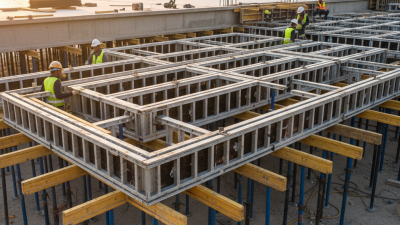
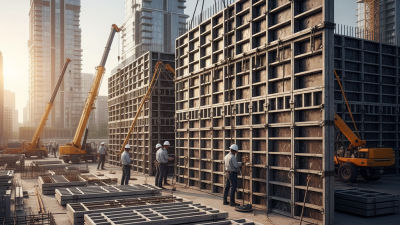
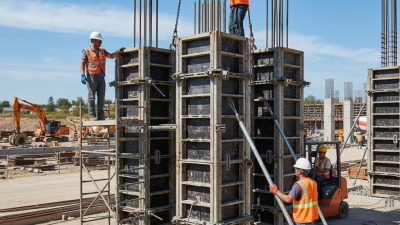
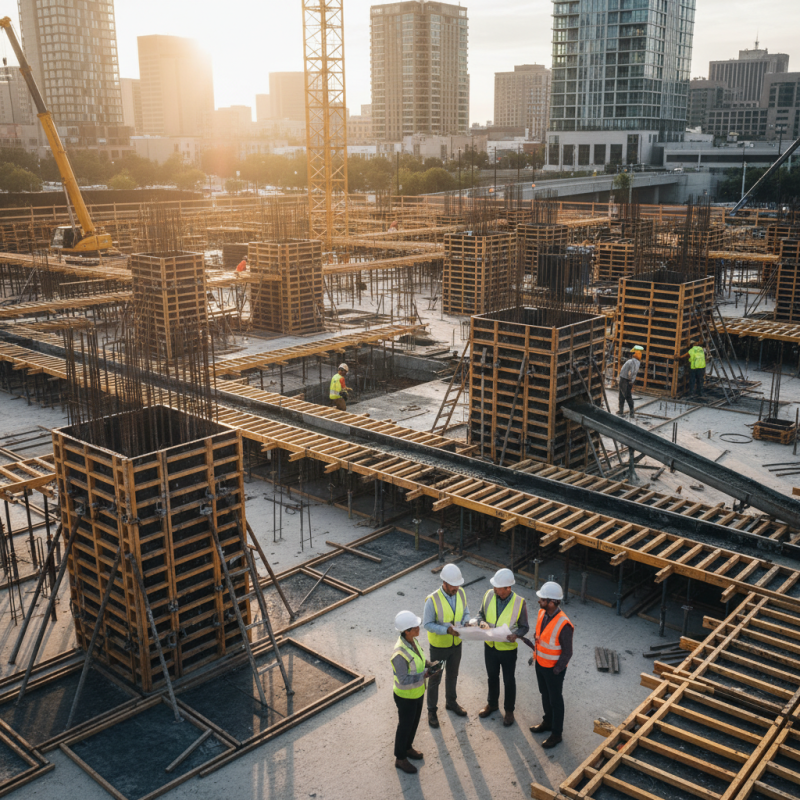
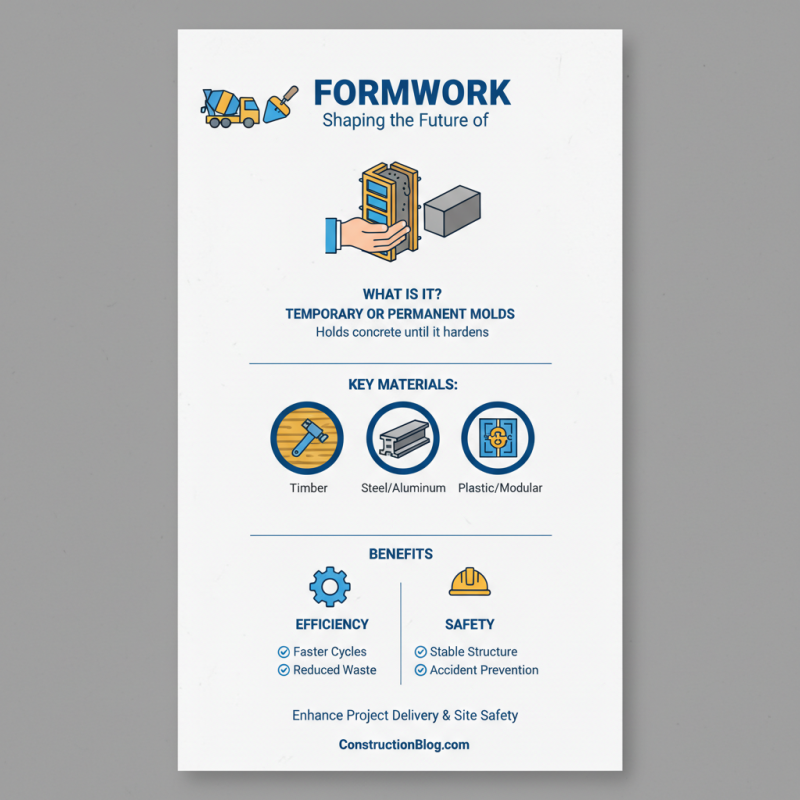
Formwork is a temporary or permanent mold used in constructing concrete structures. Its primary purpose is to shape and support fresh concrete until it gains sufficient strength. The materials for formwork can vary from wood and steel to plastic composites. According to recent industry reports, the global formwork market is expected to grow at a CAGR of 5.8% from 2021 to 2028, reflecting a rising demand in the construction sector.

The advantages of using formwork are significant. It allows for precise shaping of structures and enhances the efficiency of construction. With the proper design, formwork can minimize waste and reduce labor costs. For instance, modern modular formwork systems can be reused multiple times, contributing to sustainable construction practices. However, the initial investment can be high, leading to challenges for smaller companies. These economic factors should not be overlooked.

Some industry experts highlight potential issues related to formwork. Despite its benefits, improper installation can lead to concrete defects. This highlights the importance of skilled labor for formwork assembly. A report from the International Journal of Concrete Structures and Materials discusses how incorrect formwork can result in 20% increased costs due to delays and quality issues. Investing in quality training and materials is essential for optimal results.
Types of Formwork Used in Construction Projects

Formwork is essential in construction. It acts as a mold for pouring concrete. Different types of formwork are used to achieve various structural shapes and sizes.

Traditional timber formwork is one of the most common. It allows for easy adjustments on-site. However, it can be labor-intensive and less durable than other options. Steel formwork is another popular choice. It is strong and reusable, making it cost-effective in the long run. Yet, its initial setup can be complicated.

Plastic formwork is lightweight and easy to transport. It offers quick assembly and disassembly. But, it may not support heavy loads as effectively as metal options. Each type of formwork presents unique advantages and challenges. Selecting the right formwork requires careful consideration of the project’s specific needs. Building professionals often reflect on their choices to optimize efficiency and minimize waste.

Key Advantages of Using Formwork in Building Processes

Formwork is a temporary or permanent mold used to shape concrete during construction. It plays a crucial role in building processes. Using formwork can greatly enhance the efficiency of a project. When properly constructed, formwork allows for precise shapes and finishes. This results in high-quality structures.

One key advantage of formwork is improved safety on-site. It provides a stable platform for workers. This can help prevent accidents during the pouring and setting of concrete. Additionally, formwork can speed up construction times. By allowing concrete to be poured in larger sections, projects can progress more quickly.

However, there are challenges to consider. Poor quality formwork may lead to defects. Workers must ensure that it is properly assembled. This requires training and experience. Improperly designed formwork can also cause waste of materials. Companies need to reflect on their formwork practices to minimize such issues. Ensuring that all team members understand the importance of quality can lead to better outcomes.

What is Formwork and What are the Advantages of Using It? - Key Advantages of Using Formwork in Building Processes

Advantage Description Impact on Construction
Cost-Effectiveness Helps to minimize labor and material costs. Reduces overall project budget.
Speed of Construction Allows for quicker setting and curing times. Accelerates project completion timelines.
Quality Control Facilitates precise shapes and supports for concrete. Enhances structural integrity and aesthetic outcomes.
Flexibility Can be customized for various shapes and sizes. Supports innovative architectural designs.
Safety Provides a safe working environment for workers. Reduces the risk of accidents on site.

How Formwork Contributes to Structural Integrity and Safety

What is Formwork and What are the Advantages of Using It?

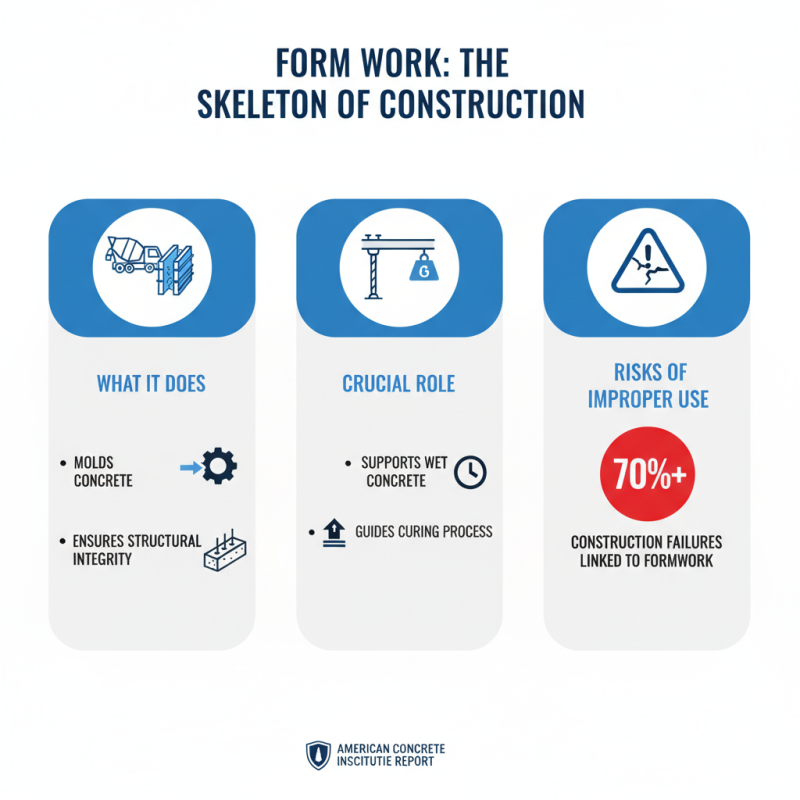
Formwork plays a crucial role in construction. It molds concrete to desired shapes. This process ensures structural integrity. Properly designed formwork supports the weight of wet concrete during curing. According to a report by the American Concrete Institute, over 70% of construction failures are linked to improper formwork practices.

The advantages of using formwork extend beyond shaping. It enhances safety on-site. Reliable formwork reduces the risk of collapse. A study from the Construction Industry Institute found that projects employing advanced formwork systems saw a 25% decrease in accidents. However, not all teams use formwork correctly. Common mistakes can lead to significant structural issues.

Investing in high-quality formwork is essential. It ensures that structures are built to last. The cost of formwork can be high, but the long-term benefits outweigh these initial expenses. Engineers must evaluate the quality of materials. Regular inspections and adjustments are necessary to prevent failures. Inadequate formwork can cause delays and increased costs. Hence, ongoing training and awareness are crucial for construction teams.

Best Practices for Implementing Formwork in Construction Projects

What is Formwork and What are the Advantages of Using It?

Formwork plays a crucial role in construction. It involves creating temporary or permanent molds to hold concrete in place until it hardens. Implementing formwork effectively can enhance project efficiency and safety.

When using formwork, attention to detail is vital. Proper planning helps avoid common mistakes. Avoid rushing the design phase. Ensure the formwork design fits the specific project requirements. Each construction site presents unique challenges.

Tips: Regular inspections of the formwork are essential. Check for any signs of wear or instability. It’s also wise to maintain open communication among team members. Work together to address potential issues early on. Utilize feedback from previous projects to improve future formwork plans.

Always remember that flexibility is crucial when dealing with unexpected changes. Adjustments during the construction process can lead to better results. Embrace the learning experience that comes with formwork implementations. The key is to reflect on what works and what doesn’t for continuous improvement.