Choosing China’s best shuttering formwork supplier requires more than comparing factory prices. It requires evidence, field experience, and careful technical questions. Grand View Research reports that the global formwork market is expanding steadily, driven by urban construction, infrastructure investment, and reusable systems. Its analysis also highlights stronger demand for engineered, durable, and environmentally responsible solutions.
The opportunity is large.
Yet supplier quality varies sharply. One factory may show polished catalog images, while its plywood edges swell after repeated casting. Another may promise fast delivery, but provide unclear load calculations or incomplete assembly drawings. These details matter on a crowded jobsite, especially when aluminum panels, steel frames, tie rods, and concrete pressure work together.
Dr. M. K. Hurd, a respected formwork engineer and author of Formwork for Concrete, emphasized that “formwork must be strong enough to support all loads imposed upon it.” This principle should guide supplier evaluation. Ask for design calculations, material certificates, project references, surface-finish records, and documented testing. Check whether the supplier understands your concrete pressure, pour speed, panel dimensions, temperature, and reuse cycle.
Industry research can inform decisions, but it cannot replace inspection. A supplier’s export history is useful. It is not proof of engineering competence. Buyers should request a sample panel, examine weld consistency, measure tolerances, and test the technical team’s response. Sometimes, the cheapest quotation exposes the most expensive weakness.
This guide explains how to compare Chinese shuttering formwork suppliers through manufacturing capability, quality control, engineering support, customization, delivery reliability, and after-sales service. The process is not perfect. However, disciplined verification reduces avoidable risk and supports safer, more predictable construction.
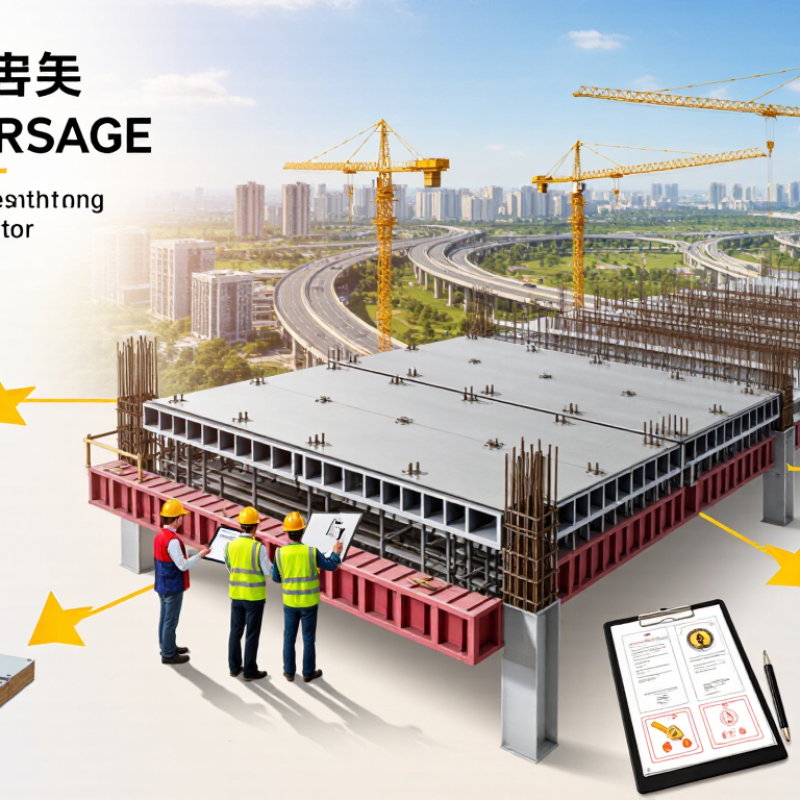
Shuttering formwork is the temporary mold that shapes and supports fresh concrete until it gains enough strength. It may use steel, aluminum, timber, or engineered panels. On a real site, poor alignment can create uneven walls, leaking joints, and costly repairs. The system must also resist concrete pressure, vibration, weather, and repeated handling.
Supplier selection matters because formwork performance affects safety, speed, finish quality, and labor costs. McKinsey Global Institute reports that construction labor productivity has grown by only about 1% annually over two decades. That figure exposes a practical problem: small delays are not small when crews repeat them across many floors. A capable supplier should provide load calculations, assembly drawings, clear tolerances, inspection guidance, and replacement parts. Ask for test records, material certificates, and evidence from similar projects.
Look closely at cycle time, not only the purchase price. The Global Formwork Market Report by Grand View Research identifies infrastructure and building activity as major demand drivers, while rising labor costs increase pressure for faster systems. Still, reports cannot replace site judgment. I have seen technically strong panels fail because workers lacked usable instructions. No checklist is perfect. Visit a production facility when possible, review quality-control records, and test communication before signing. A reliable supplier answers detailed questions without hiding behind attractive specifications.
China Best Shuttering Formwork Suppliers How to Choose?
Shuttering formwork shapes fresh concrete until it gains enough strength. Timber formwork remains practical for small projects and irregular walls. It is easy to cut, but moisture can cause warping and uneven surfaces. Steel formwork suits bridges, columns, and repeated floor cycles. It provides strong alignment and a smooth finish. However, it needs lifting equipment and careful rust control.
Aluminum formwork is lighter than steel and works well in high-rise housing projects. Its panels support repeated wall, slab, and beam construction. Plastic formwork resists water and handles smaller structural components effectively. For tunnels and large foundations, modular steel systems offer better pressure resistance. Climbing formwork supports tall cores, while sliding systems suit continuous vertical structures. Each type requires different checking methods.
Experienced site teams inspect panel joints, tie rods, release agents, and working platforms before pouring. A small gap can create grout leakage and visible honeycombing. Supplier selection should include load tables, assembly guidance, material traceability, and test records. Local climate matters too. Coastal humidity may shorten the service life of untreated components. I once saw a project choose lightweight panels without reviewing crane capacity. The panels were suitable, but the handling plan was not. That decision caused delays. Formwork is never only a product choice; it is a coordination decision involving structure, labor, safety, and reuse targets.
| Shuttering Formwork Type | Primary Material | Typical Applications | Typical Concrete Pressure Capacity | Typical Reuse Potential | Main Advantages | Key Limitations | Supplier Selection Factors |
|---|---|---|---|---|---|---|---|
| Traditional Timber Formwork | Sawn timber, wood battens and boards | Small residential projects, irregular shapes, low-rise structures, small foundations and repair work | Generally suitable for low to moderate fresh-concrete pressure when properly braced and designed | Approximately 5–10 uses, depending on timber quality, handling and maintenance | Low initial cost, easy to cut and adapt, suitable for non-standard geometries | High labor requirement, variable dimensional accuracy, moisture sensitivity and limited reuse | Timber grade, moisture content, straightness, section tolerances, treatment quality and cutting waste |
| Film-Faced Plywood Formwork | Structural plywood with phenolic or similar surface film | Concrete walls, slabs, beams, columns, foundations and general building construction | Commonly used for low to moderate pressure systems; the final capacity depends on thickness, framing and support spacing | Approximately 10–20 uses with careful stripping, sealing and edge protection | Good surface finish, lighter than steel, easy to combine with timber or metal framing | Edges can absorb water if unsealed; panels may warp or delaminate when damaged | Panel thickness, veneer quality, film weight, edge sealing, flatness, dimensional tolerance and test documentation |
| Steel Panel Formwork | Welded or bolted steel frames with steel or coated panel faces | Foundations, retaining walls, bridge elements, industrial structures, columns and repetitive heavy construction | Suitable for moderate to high concrete pressure when engineered with adequate ties, walers and bracing | Typically 100 or more uses with proper cleaning, alignment and corrosion control | High strength, excellent dimensional stability, long service life and consistent geometry | Heavy handling, higher transport cost, possible corrosion and greater lifting-equipment requirements | Steel grade, weld quality, panel flatness, connection compatibility, corrosion protection, lifting points and design calculations |
| Aluminum Formwork | Lightweight aluminum panels and integrated framing components | Repetitive residential and commercial buildings, walls, slabs, columns and stair cores with standardized layouts | Suitable for moderate concrete pressure when panel joints, ties and supports follow the system design | Often 100 or more uses in repetitive projects, subject to handling and maintenance | Lightweight, fast assembly, high dimensional accuracy and good repetition efficiency | Higher initial investment, less economical for highly customized layouts and vulnerable to impact damage | Panel weight, system cycle time, connection design, component interchangeability, engineering support and repair service |
| Plastic or Polymer Formwork | Reusable plastic, polypropylene or composite polymer panels | Small to medium walls, columns, foundations, housing projects and projects requiring easy cleaning | Generally suitable for low to moderate pressure within the manufacturer's stated support spacing | Approximately 50–100 uses, depending on polymer formulation, temperature and site handling | Lightweight, water-resistant, easy to clean and resistant to many common chemicals | Lower stiffness than steel, possible deformation under excessive heat or load, and limited availability of large panels | Polymer grade, stiffness, impact resistance, temperature range, panel flatness, connection strength and replacement availability |
| Modular Panel Formwork | Usually steel or aluminum frames with plywood, plastic or composite faces | Walls, columns, foundations and repetitive structural layouts requiring rapid assembly and standardized components | Varies by system; engineered panels can support moderate to high fresh-concrete pressure | Commonly 100 or more uses for durable metal-framed systems | Fast installation, reusable components, adjustable dimensions and reduced site fabrication | Requires compatible accessories, trained workers and accurate planning of panel combinations | Panel range, corner and filler options, tie system, alignment accessories, load tables, rental support and spare-part supply |
| Climbing Formwork | Steel or aluminum platforms and panels, with climbing brackets or hydraulic equipment | High-rise cores, shear walls, bridge piers, dams and other vertically repetitive structures | Designed for the specified fresh-concrete pressure and wind loads; structural verification is essential | Multiple project cycles; durability depends on the frame, climbing mechanism and maintenance program | Efficient vertical progression, improved working-platform safety and reduced crane dependency in some systems | Higher engineering and installation complexity, strict safety requirements and significant initial cost | Climbing load capacity, wind resistance, anchoring system, platform safety, hydraulic reliability and engineering certification |
| Tunnel Formwork | Heavy-duty steel or aluminum half-tunnel units | Repetitive cellular buildings, apartment blocks, hotel rooms and structures with repeated wall-and-slab layouts | Designed for combined wall and slab operations under the system's specified concrete and construction loads | High reuse potential on projects with repeated floor plans | Fast floor-cycle times, accurate wall-to-slab geometry and reduced formwork component count | Limited flexibility for irregular layouts, high initial investment and substantial lifting requirements | Dimensional customization, stripping method, cycle-time design, lifting points, safety platforms and technical supervision |
| Stay-in-Place Formwork | Insulating concrete forms, fiber-cement boards, permanent composites or profiled metal sheets | Insulated walls, foundations, composite slabs, tanks and structures where permanent containment or protection is required | Must be checked for fresh-concrete pressure, reinforcement interaction and temporary bracing requirements | Normally one permanent installation rather than a reusable system | Reduces stripping work, can provide insulation or corrosion protection, and may improve construction speed | Permanent material cost, limited access for inspection after casting and design-specific detailing requirements | Fire rating, durability, thermal performance, moisture resistance, structural compatibility and compliance with local building codes |
Note: Concrete pressure, reuse cycles and productivity vary with panel dimensions, concrete temperature, placement rate, vibration, bracing, handling and site conditions. Final formwork selection should be based on an engineered design and the applicable local safety standards.
Assess a supplier through evidence, not polished photographs. Ask for material certificates, welding records, dimensional inspection reports, and documented load-test results. EN 12812 defines performance requirements for falsework, including stability, design actions, and verification. A capable supplier should explain these requirements without vague promises. Check whether panels arrive flat, clean, and correctly labelled. Small alignment errors can become visible concrete defects.
Site experience matters just as much. Request project references using similar spans, pour heights, concrete pressures, and weather conditions. Examine the supplier’s reuse records, repair procedures, and technical response time. A 2022 OSHA report recorded 395 fatal falls among 1,069 construction deaths in the United States. That figure reinforces why safe access, guardrails, bracing, and erection instructions deserve careful review. Do not judge quality from price alone.
The UNEP 2022 Global Status Report found that buildings and construction consumed 34% of global energy and produced 37% of energy and process-related emissions in 2021. Durable, reusable formwork can support lower material turnover, but only when its components remain structurally reliable. Ask how steel grades are traced and how damaged parts are quarantined. One weakness in many evaluations is trusting a factory audit completed on one day. Visit an active production line if possible. I would also inspect a used panel, not only a new one. Scratches reveal normal wear; distortion reveals neglect.
Choosing among China’s shuttering formwork suppliers requires more than comparing panel prices. Material choice changes labor, reuse, transport, and concrete finish.
Plywood suits irregular pours and smaller projects.
Steel supports repeated cycles and high pressure.
Aluminum reduces handling weight, but costs more upfront.
Plastic panels resist moisture, though repair options may be limited.
In project reviews, I have seen low quotations hide extra walers, release agents, and manual cutting. That comparison was incomplete.
McKinsey Global Institute’s 2017 Reinventing Construction report found construction labor productivity grew about 1% annually over two decades. Therefore, compare installation hours, not only material cost.
Request test results for load capacity, deflection, surface quality, and expected reuse cycles. Ask whether the quoted price includes ties, corners, platforms, drawings, packing, and inland delivery.
A useful calculation is cost per successful pour, including damaged panels and replacement labor.
Lead time needs a written breakdown. Separate design approval, manufacturing, inspection, sea freight, customs clearance, and site delivery. Ask for a production schedule and spare-part response time.
The 2023 Global Status Report for Buildings and Construction attributes 37% of global energy use to buildings and construction. Reusable systems can reduce waste, but only when transport and repair are managed well.
Service quality matters here. Look for load calculations, assembly training, inspection records, and an accountable technical contact. A fast factory is not enough.
I would also request a small trial package before placing a large order. Mistakes become cheaper when they remain small.
Choosing a shuttering formwork supplier requires more than comparing prices. Verify current mill certificates, weld inspection records, and load test reports. Each document should match the factory, material grade, and supplied components. Check compliance with your project’s safety codes and structural requirements. A certificate alone can mislead. Ask technical staff to explain testing methods and acceptance limits. Reliable suppliers usually provide clear drawings, tolerances, installation guidance, and traceable quality records.
Project fit matters on the construction site. Compare panel dimensions with wall thickness, slab height, corner details, and crane capacity. Request a sample assembly or detailed shop drawings before production. A practical trial can reveal poor alignment, weak connectors, or difficult stripping procedures. Do not trust glossy photos. Review references from similar climates and project sizes. In field reviews, small design changes often create major delays. I would also question any supplier that avoids discussing limitations. That conversation may reveal more than a sales presentation.
Tips: Visit the production line when possible. Inspect steel storage, welding areas, coating quality, and finished panel flatness. Ask how damaged parts are repaired and how replacement components are supplied. Request a written response-time commitment for technical support. Check payment terms carefully, but do not select on price alone. Long-term reliability depends on stable quality, honest communication, and realistic delivery dates. Even experienced teams can overlook spare connectors. Build a replacement allowance into the plan.