Top Types of Concrete Column Formwork for Global Buyers
Choosing concrete column formwork is a practical decision, not a catalogue exercise. A round column beside a tight site boundary may need a different system from a square column repeated across a large floor plate. Buyers compare steel, aluminum, plastic, and timber-based systems for a reason: weight, reuse, finish, setup speed, and transport costs all matter.
The scale of construction makes these choices consequential. Global Construction Perspectives and Oxford Economics forecast in their Global Construction 2030 report that worldwide construction output could reach $15.5 trillion by 2030, an 85% increase from 2015. This is a long-range forecast, not a current measurement. Still, it shows why reliable formwork selection matters across international projects. ACI Committee 347’s guide, ACI 347R-14, describes formwork as a temporary structure or mold that supports concrete while it sets and gains strength. A simple definition. The engineering behind it is not.
M. K. Hurd, author of Formwork for Concrete, is a recognized technical reference in this field; however, I cannot verify a direct quotation from him about column formwork. Rather than invent one, this guide uses established technical guidance and practical selection criteria. It compares common concrete column formwork types, their typical advantages, and the trade-offs buyers should check before ordering. No system wins every job. Site experience, supplier documentation, and a careful trial assembly still matter.

How Column Formwork Works in Concrete Construction
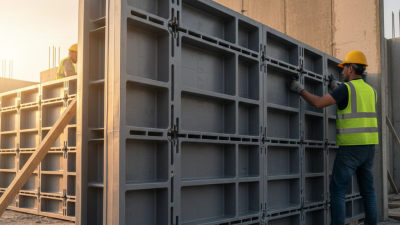
Column formwork holds fresh concrete in shape while it gains strength. It also resists pressure from the wet mix, vibration, and placement. Global buyers may encounter timber, steel, modular panel, and circular systems. The right choice depends on column dimensions, surface finish, reuse plans, and site access. The Global Cement and Concrete Association estimates that about 14 billion cubic metres of concrete are used annually worldwide. That scale makes reliable formwork setup important on projects of every size.
Before pouring, crews assemble the panels, seal joints, and check dimensions and vertical alignment. Adjustable braces help keep the form steady; tie spacing and panel strength must suit the expected concrete pressure. During placement, a controlled pour and careful vibration help reduce voids without overloading the form. Concrete pressure can vary with mix, temperature, and pour rate, so project specifications and qualified engineering guidance matter. A small leak can leave a rough column. This step is easy to rush.
Tips: Check plumb in two directions before the pour. Watch joints and braces as concrete rises. Strip forms only when the specified strength requirements are met; timing should follow the project plan, not guesswork.
Timber, Plywood, and Cardboard Column Formwork
Plywood forms are common when a smooth, consistent finish matters. Their broad panels can reduce surface marks, but joints need tight sealing to prevent grout leakage. Check panel edges and braces before each pour. Small gaps matter. Moisture can also swell plywood, so storage and reuse checks are important.
Timber is easy to cut and adjust around unusual column dimensions. On site, carpenters can add cleats or wedges with simple tools. The trade-off is variation: rough boards may leave visible grain, and repeated use can change their shape.
Cardboard column forms are lightweight tubes, often chosen for round columns and quick installation. Crews can carry them by hand and remove them without dismantling a panel system. They are generally intended for limited reuse, if any. Keep them dry, support them as specified, and follow the form supplier’s guidance on pour rate and bracing. A wet or poorly restrained tube can bulge. Cardboard is not always the cheaper option; disposal and careful handling add effort.
Plywood may be more practical for several pours, while cardboard can suit a one-off circular pier. The best choice depends on finish, column geometry, site conditions, and the actual reuse plan.
Steel and Aluminum Column Formwork Systems
Steel and aluminum column formwork systems suit different site conditions. Steel panels are rigid and handle frequent reuse, making them useful on projects with repeated column sizes. Their weight can help keep assemblies steady, but moving panels may require lifting equipment and careful planning. Aluminum systems are lighter, so crews can often position smaller components more easily. This can help where access is tight or manual handling matters. However, lighter panels still need correct bracing and secure connections. Neither material is automatically the better choice.
Column dimensions, pour height, concrete pressure, and reuse plans should guide selection. Check the formwork supplier’s technical data, including allowable pressure and connection details. Compare the full handling process, not just panel weight. Storage also matters: bent edges, dirty contact faces, or missing ties can affect fit and the finished surface. On real sites, small alignment errors become visible fast. That deserves attention.
Tips: Confirm column dimensions before delivery. Check ties, clamps, and braces before each pour. Keep contact faces clean, and inspect panels for damage after stripping. Ask how the system adapts to non-standard sizes. A few awkward columns can change the labor calculation. Steel may feel excessive for a short run; aluminum may need more careful handling. I would verify both options against the actual pour sequence before deciding.
Top Types of Concrete Column Formwork: Steel vs. Aluminum
The chart compares representative material densities: steel is approximately 7,850 kg/m³, while aluminum is approximately 2,700 kg/m³. These are material values, not the weight of complete formwork systems; system weight varies with panel design and construction.
Plastic and Modular Column Formwork Systems
Top Types of Concrete Column Formwork for Global Buyers
Plastic and Modular Column Formwork Systems
Plastic column forms are lightweight and resist moisture, making them practical for repeated pours on busy sites. Modular panels connect with clips or pins, allowing crews to adjust column dimensions without building every form from scratch. Smooth inner faces can help produce cleaner concrete surfaces, though joints still need careful sealing. Small gaps leave marks.
These systems can reduce handling effort, but selection should match the pour, not just the purchase price. The American General Contractors of America’s 2024 workforce survey found that 94% of firms seeking workers had difficulty filling positions. Faster assembly may help stretched crews, but only when panel sizes, ties, and bracing are planned well. Check the supplier’s pressure limits and follow the specified pour rate; fresh concrete pressure rises with placement speed and mix conditions. Plastic components also need inspection for cracks, warped edges, and worn connections.
Tips: Trial-fit one column before a full order. Confirm the required dimensions, corner details, tie spacing, and cleaning method. Track reuse on site; actual service life depends on handling and storage, not claims alone. Plastic is not automatically the greener choice if damaged panels are discarded early.
How Global Buyers Choose the Right Formwork Type
Global buyers should match column formwork to geometry, repetition, labor skills, and site logistics. Steel panel systems suit repeated, heavy-duty pours; aluminum panels are lighter for manual handling. Modular systems help when column sizes vary, while timber can accommodate one-off shapes but needs careful fabrication. For a tower core, check crane capacity, lifting access, pour height, and the finish required. A tight site may favor smaller panels over faster crane cycles.
The McKinsey Global Institute’s 2017 report, Reinventing Construction, found that construction labor productivity grew about 1% annually over two decades, versus 3.6% in manufacturing. This is not proof that one formwork type solves productivity problems. It does show why setup time, reuse, and crew familiarity deserve attention. Buyers should compare total cycle time, not just purchase price, and confirm allowable concrete pressure against the project design and applicable engineering guidance. Real site conditions can still upset the neat calculation.
Tips: Request layout drawings and a trial assembly plan. Count expected reuses, then inspect panel joints, ties, and cleaning access. Ask who trains the crew. Small details matter. A system may look efficient on paper yet slow down when storage space is limited; that risk is easy to underestimate.