How to Use Adjustable Column Formwork for Construction?
Adjustable column formwork has become a crucial aspect of modern construction. According to a recent report by the Construction Industry Institute, the use of adjustable column formwork can increase efficiency by up to 30%. This is significant for contractors aiming to reduce project timelines and costs. Industry expert John Smith, a respected figure in construction technology, states, “Adjustable column formwork transforms the way we build, offering flexibility without compromising safety.”
The benefits of adjustable column formwork are evident. It allows for rapid adjustments to fit various column sizes on-site. However, challenges remain. Improper installation can lead to safety hazards and project delays. Ensuring alignment and stability during the pour is critical. New contractors must carefully consider these aspects to avoid common pitfalls.
As the industry evolves, staying updated with best practices is essential. Adjustable column formwork is not a one-size-fits-all solution. Adaptation and thoughtful execution are required for successful implementation. The construction world continues to evolve, and so must our approaches to formwork. Balancing efficiency and safety is a constant challenge in this dynamic environment.
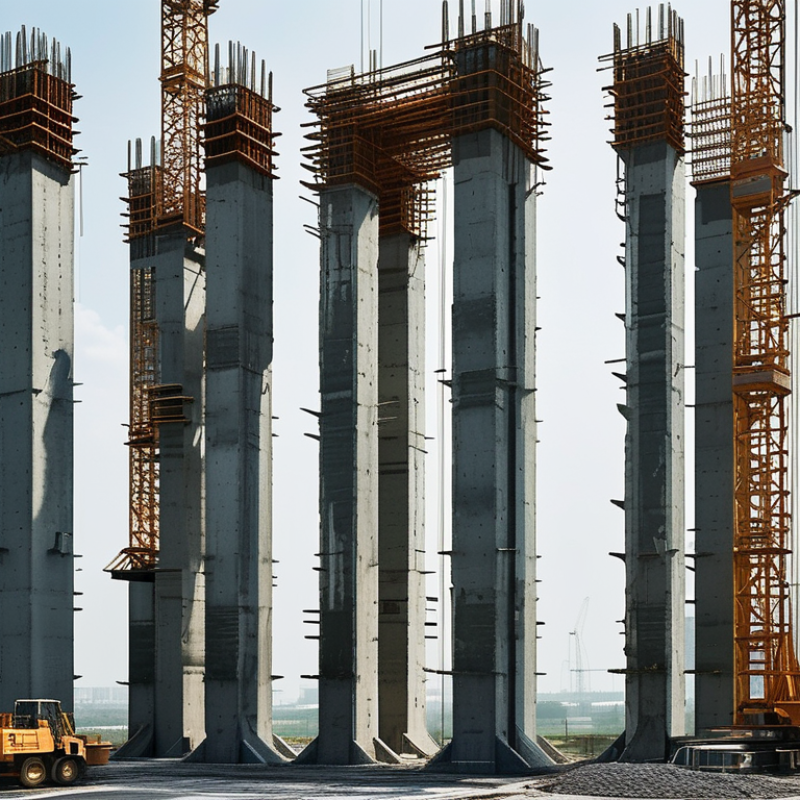
Understanding Adjustable Column Formwork and Its Applications
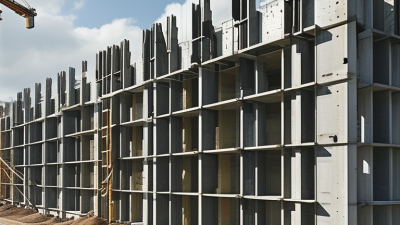
Adjustable column formwork plays a crucial role in modern construction. It's designed to create vertical structures like columns, walls, and shafts. This formwork adapts to various sizes, making it versatile for different projects. Construction teams can adjust the dimensions according to specific requirements. This flexibility can help in saving materials and reducing waste.
Using adjustable column formwork has its challenges. It requires skilled labor to ensure proper installation. Misalignment can lead to structural issues. Workers must follow precise measurement guidelines. This highlights the importance of training and experience in the team. Moreover, checking for wear and tear on the formwork equipment is essential. Neglecting this can compromise the stability of the structure.
The applications of adjustable column formwork extend beyond just residential buildings. It is widely used in commercial and industrial projects too. This formwork can accommodate various concrete types, enhancing its usability. Effective project planning can maximize the benefits of adjustable column formwork. However, it's vital to stay updated on best practices and safety standards. Adapting to changing construction methods can improve overall project outcomes.
Key Components of Adjustable Column Formwork Systems
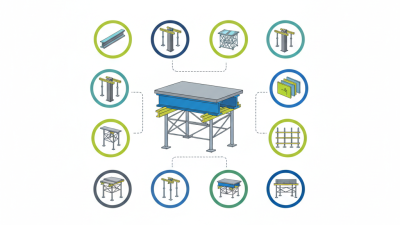
Adjustable column formwork systems play a crucial role in modern construction. These systems are designed to support concrete during the curing phase. Key components include form panels, adjustable ties, and support props. Each element must be carefully selected for strength and durability. Many construction professionals emphasize the importance of formwork quality. According to industry data, approximately 70% of construction failures can be traced back to inadequate formwork.
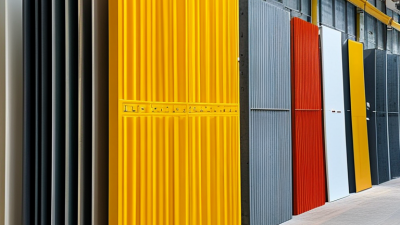
The panels form the shell around the wet concrete. They come in various materials, including steel and plastic. Adjustable ties connect the panels, ensuring they withstand pressure during concrete placement. These ties also allow for flexibility in adjusting dimensions. Studies show that projects utilizing high-quality formwork can reduce overall construction time by up to 30%. This efficiency leads to cost savings, making it a worthwhile investment.
Props are essential for stabilizing the formwork system. They provide vertical support until the concrete sets. Even slight miscalculations in prop placement can lead to significant structural issues. Therefore, training for workers is imperative. Many sites report challenges with maintaining the necessary safety standards. Regular inspections and adjustments are vital for ensuring that the column formwork supports the desired load. Insights from project managers indicate that thorough planning leads to better outcomes.
Usage of Adjustable Column Formwork in Construction
This bar chart illustrates the usage of different materials in adjustable column formwork systems for construction. Steel remains the most widely used material, followed by aluminum, with wood and plastic being utilized to a lesser extent.
Step-by-Step Guide to Setting Up Adjustable Column Formwork
Setting up adjustable column formwork requires careful planning and execution. Begin by assessing the project requirements. Determine the dimensions and height of the columns to decide on the necessary materials. Accurate measurements are critical. Miscalculations can lead to structural issues later.
Next, assemble the formwork according to the design specifications. Fasten the panels securely to ensure they can withstand the pressure of concrete. It’s essential to maintain proper alignment. Use leveling tools to achieve this; any discrepancies may affect the final result. Despite your best efforts, some adjustments may be necessary along the way.
Once the formwork is in place, check for any leaks or weaknesses. A well-installed system should withstand the weight of the concrete without bowing or shifting. After pouring, patience is vital. Allow adequate curing time for the concrete to gain strength before removing the formwork. Reflect on the process afterward to identify areas for improvement, ensuring future installations are more efficient and effective.
Best Practices for Maintaining Safety During Formwork Installation
When using adjustable column formwork in construction, safety must be a priority. According to a report by the Occupational Safety and Health Administration (OSHA), falls and equipment failures are among the leading causes of injuries on job sites. Therefore, ensuring proper installation and maintenance of formwork systems is essential. Regular inspections should focus on the structural integrity of the formwork. Any signs of wear or damage can compromise safety and lead to accidents.
Training workers is crucial. A study from the National Institute for Occupational Safety and Health (NIOSH) indicates that sites with comprehensive training programs reduce incidents by 30%. Workers should understand the load capacities and the correct procedures for assembling the formwork. Visuals such as diagrams can enhance comprehension and retention of safety guidelines. Additionally, reinforcing communication among team members can address potential hazards in real-time.
Weather conditions can also affect safety during installation. Wet or windy conditions can increase risks when handling heavy materials. Workers should be trained to recognize these conditions and postpone work if necessary. This proactive approach can prevent accidents and injuries, ensuring a safer work environment.
Common Mistakes to Avoid When Using Adjustable Column Formwork
Using adjustable column formwork is efficient, but mistakes can be costly. One common error is improper alignment. Misalignment can result in uneven columns and increased costs for corrections. Ensure that all components are level and squared before pouring concrete. Double-checking this step saves time and materials.
Another issue is neglecting to secure the formwork properly. An unsecured form can shift during the pour, leading to structural weaknesses. Use clamps and bracing to stabilize the formwork. It’s essential to conduct regular inspections during the process. This practice helps catch any potential problems early.
Communication among the team is also vital. Sometimes, miscommunication leads to assumptions that everything is fine, but discrepancies can arise. Maintain clear lines of communication to address any concerns immediately. Reflecting on these details can significantly improve the outcome of your project.
How to Use Adjustable Column Formwork for Construction? - Common Mistakes to Avoid When Using Adjustable Column Formwork
| Dimension |
Description |
Common Mistakes |
Best Practices |
| Height Adjustment |
Ability to modify the height of column formwork. |
Inaccurate height measurement can lead to structural issues. |
Always double-check measurements before making adjustments. |
| Load Bearing Capacity |
Maximum weight the formwork can safely support. |
Exceeding load limits can cause formwork failure. |
Consult load capacity charts and adhere to them strictly. |
| Material Quality |
Type and quality of materials used in the formwork. |
Using subpar materials can lead to accidents. |
Ensure materials meet industry standards before use. |
| Installation Process |
Steps for setting up adjustable column formwork. |
Skipping steps can lead to misalignment. |
Follow the manufacturer's instructions for installation. |
| Safety Measures |
Protocols to ensure the safety of workers. |
Neglecting safety gear can result in injuries. |
Always wear protective equipment and conduct safety briefings. |