Why Use Concrete Tube Formwork for Construction Projects?

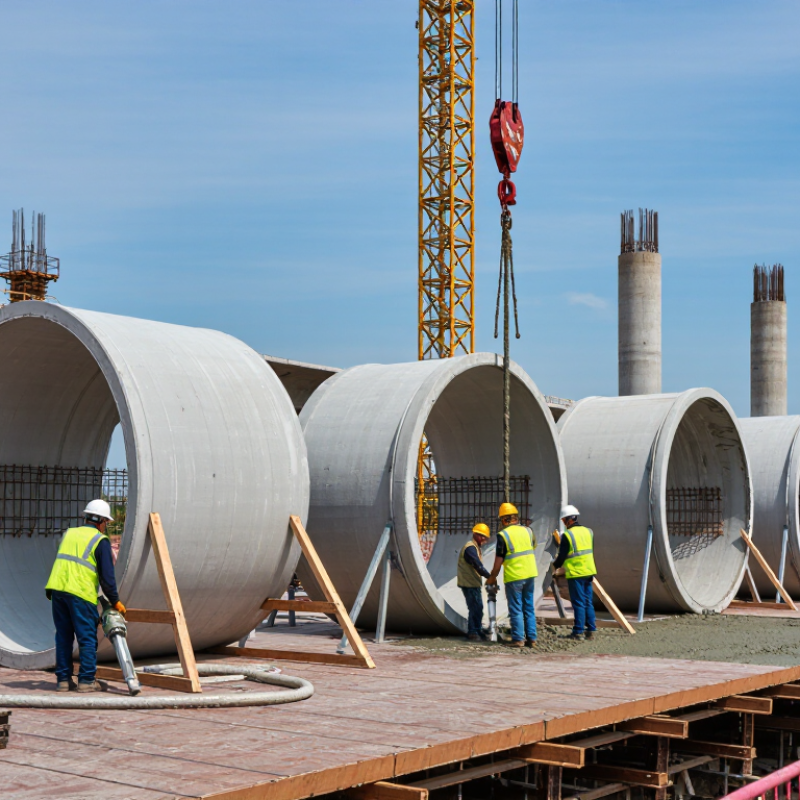
Concrete tube formwork offers a practical way to create strong, consistent circular columns on construction sites. It shapes wet concrete while supporting the required dimensions during curing. Contractors often choose it for bridges, commercial buildings, parking structures, and architectural features. The formwork can produce clean surfaces with fewer visible seams. That matters when columns remain exposed after construction.

Its benefits begin with straightforward installation. Workers can position a tube around reinforced steel, check alignment, and pour concrete in controlled stages. Proper vibration helps reduce voids around the reinforcement. Experienced crews also inspect the tube for damage before pouring. A small tear can allow cement paste to escape.

It saves time.

Compared with complex reusable molds, some tube systems require less handling and fewer assembly steps. Their lightweight design can reduce lifting demands, especially on restricted sites. However, the cheapest option is not always the best option. Tube strength, moisture resistance, column height, and required finish must match the project conditions. Engineers should confirm load requirements and installation procedures through approved technical documentation.

Site experience shows that preparation often determines the final result. Uneven ground, rushed bracing, or poor concrete placement can still cause bulging and misalignment. This method is reliable, but it is not foolproof. Regular checks remain essential.

When selected carefully, concrete tube formwork can improve productivity, surface quality, and construction control. Its value comes from combining suitable materials, competent workmanship, and disciplined inspection. That balanced approach helps project teams build safer, cleaner, and more predictable concrete structures.
Why Use Concrete Tube Formwork for Construction Projects?

What Concrete Tube Formwork Is and How It Works

Why Use Concrete Tube Formwork for Construction Projects?

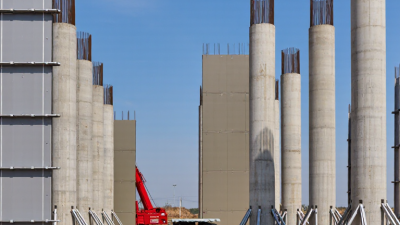
Concrete tube formwork is a temporary mold for casting round columns, piers, and small shafts. It usually contains a rigid outer tube, internal reinforcement, and wet concrete. Crews position the tube, check its alignment, then pour concrete in controlled lifts. Vibration removes trapped air. After curing, the tube is stripped or left in place, depending on the system and project requirements.

The process looks simple. It is not careless work. Tube diameter, wall thickness, concrete slump, and pour speed affect pressure on the form. A small alignment error can create a visibly leaning column.

ACI 347R emphasizes engineered formwork design, safe bracing, and controlled construction loads. The Global Cement and Concrete Association reports that the industry uses roughly 14 billion cubic metres of concrete each year. Even minor material savings can matter at that scale.

Tube forms can reduce corner waste and produce consistent circular surfaces. They also support repetitive work, especially where identical columns appear across several floors.

That efficiency connects with a wider concern: UNEP’s 2023 Global Status Report states that buildings and construction generated 37% of global energy and process-related carbon emissions in 2022. Still, tube formwork is not automatically greener. Poor planning can cause damaged forms, excess concrete, and rework. Engineers should verify load capacity, fire performance, stripping time, and local code requirements before installation.

Key Materials and Structural Features of Tube Forms

Why Use Concrete Tube Formwork for Construction Projects?

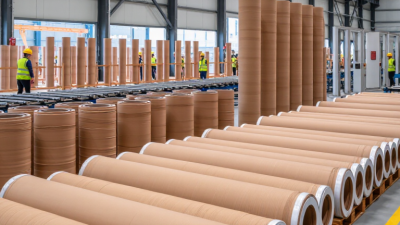
Concrete tube formwork combines efficient materials with a strong geometric shape. Many tubes use spiral-wound paperboard, resin coatings, or moisture-resistant liners. These layers keep wet concrete inside during placement. Plastic forms resist water and can be reused, while steel forms provide high strength for repeated pours. Each material behaves differently under heat, pressure, and handling.

The circular profile distributes fresh concrete pressure around the form. It also creates smooth columns with fewer corners and visible joints. Some tubes include reinforced rims or internal coatings for added stability. Accurate diameter, wall thickness, and vertical alignment matter greatly. A small defect can create bulging, leakage, or an uneven column surface. In practice, no form performs perfectly. Site conditions still influence the result.

Tips: Check the tube for dents, moisture damage, and loose edges before installation. Brace tall forms carefully and seal the base against leakage. Follow the supplier’s stated pour rate and stripping guidance. Do not assume a thicker wall always provides better performance. Engineers should match the form material to column height, concrete pressure, reuse needs, and weather exposure. Allow inspection before pouring. It takes minutes. Repairs later take much longer.

How Tube Formwork Supports Faster Construction

Concrete tube formwork can shorten column cycles because it arrives ready to place, align, and brace. Cylindrical tubes need fewer assembly steps than complex timber molds. On a busy site, crews can position several forms before concrete delivery begins. Their light weight also reduces lifting equipment and manual handling. This matters when floors repeat. Less reset time keeps trades moving.

Speed depends on planning, not the tube alone. Experienced supervisors check the base, vertical alignment, reinforcement cover, and pump access. A small error at the first level can multiply across upper floors. Once secured, the form maintains a consistent shape while concrete is placed in controlled lifts. Workers can remove it according to the specified system and concrete strength. The result is a cleaner cycle with fewer interruptions. Still, rushed placement can cause bulging, honeycombing, or difficult removal. Fast is not automatically efficient.

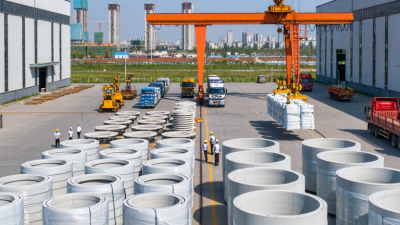
Tube formwork can also simplify site logistics. Bundled forms occupy less space than large framed panels, leaving clearer walkways around columns. Standardized diameters support repeatable layouts and easier quantity checks. Construction field reviews often show the best gains when forms match a daily pour plan. A short inspection record should track weather, delivery time, vibration, and release timing. It can expose delays that teams wrongly blame on labor. Some projects need custom forms or extra bracing, especially with unusual heights or loads. The method deserves a practical trial, not a blanket promise.

Why Use Concrete Tube Formwork for Construction Projects? - How Tube Formwork Supports Faster Construction

Construction Dimension Typical Tube Formwork Data How It Supports Faster Construction Practical Considerations
Formwork Installation Round tube systems are commonly supplied as factory-made, single-use forms with a defined internal diameter and height. The form is positioned, aligned, braced, and filled without assembling numerous curved panels or complex internal supports. The supporting arrangement must follow the engineer’s design and the manufacturer’s installation instructions.
Column Shape Circular concrete columns can be formed with consistent diameters, commonly selected in standardized increments for the project. Standardized dimensions reduce layout adjustments and simplify repeated column work across floors or structural bays. The required diameter, height, reinforcement cage, lap locations, and concrete cover must be confirmed before ordering.
Concrete Placement Concrete is typically placed continuously or in planned lifts, with compaction carried out according to the mix design and placement method. A continuous vertical form can reduce interruptions between setup, placement, and stripping activities. Concrete workability, lift height, placement rate, vibration, and temperature control affect pressure on the form and final quality.
Stripping and Removal Many paper-based tube forms are designed to be removed after the concrete has gained sufficient strength, while some are left in place when specified. Lightweight removal can require fewer lifting operations and less equipment than dismantling large reusable panel assemblies. Removal timing depends on concrete strength, exposure conditions, column height, and project safety procedures.
Labor Requirements The number of components and field connections is generally lower than for site-built curved formwork. Fewer assembly steps can shorten preparation time and allow crews to repeat the same installation sequence efficiently. Actual labor savings vary with column quantity, access, crane availability, reinforcement congestion, and crew experience.
Surface Finish The internal liner can produce a regular circular surface when the form remains properly aligned and concrete is adequately compacted. A more uniform surface may reduce patching, grinding, and corrective work before coating or architectural finishing. Finish quality still depends on form integrity, concrete mix, vibration, curing, and protection from damage.
Material Handling Paper and composite tube forms are generally lighter and easier to move manually than steel or large modular formwork components of comparable size. Reduced handling weight can simplify movement between work areas and limit dependence on lifting equipment for some applications. Large-diameter or tall forms may still require mechanical handling and must be protected from moisture before use.
Project Scheduling Tube forms support repetitive workflows for columns in residential, commercial, industrial, and infrastructure structures. A repeatable sequence—reinforcement, placement, bracing, concrete filling, curing, and removal—can improve production planning. Schedule performance depends on concrete supply, inspection approvals, curing requirements, weather, and coordination with other trades.
Waste Management Single-use forms generate removal waste, but some paper-based systems can be separated and directed to appropriate recycling or waste streams where facilities accept them. Prefabricated forms can reduce off-cut waste and on-site fabrication compared with custom-built timber or plywood forms. Waste benefits depend on local recycling infrastructure, liner materials, contamination, and the project’s waste-management plan.
Best-Fit Applications Common applications include circular columns, piers, posts, architectural columns, and other vertically oriented concrete members. The system is especially efficient where many columns share similar diameters and heights. Nonstandard geometry, severe exposure, unusual loading, or complex connection details may require an alternative formwork solution.

Note: The data above describes typical construction characteristics rather than guaranteed project results. Final formwork selection, bracing, concrete placement, curing, and removal should be reviewed by the responsible engineer and completed in accordance with applicable local building regulations and safety requirements.

Benefits for Cost, Quality, and Project Efficiency

Why Use Concrete Tube Formwork for Construction Projects?

Benefits for Cost, Quality, and Project Efficiency

Concrete tube formwork can reduce material waste on columns, piers, and other vertical structures. Its lightweight shape is easier to carry around a busy site. Fewer workers may be needed during placement. That can lower handling costs without slowing the concrete pour. Storage also becomes simpler because the tubes stack neatly in limited spaces.

Quality depends on more than the formwork itself. Correct diameter, stable bracing, and careful alignment still matter. When the tube holds its shape, concrete can cure with a smoother and more consistent surface. This may reduce patching, grinding, and finishing work. In my experience, crews save time when cutting and installation instructions are clear. Small mistakes remain expensive.

The schedule benefits from a faster setup and straightforward removal process. Workers can prepare several columns while another pour is underway. This supports a steady workflow and reduces idle equipment time. However, concrete tube formwork is not a perfect solution for every project. Moisture, wind, poor support, or rushed placement can create defects. Site supervisors should inspect the base, reinforcement, and bracing before each pour. Engineering requirements must guide the choice of tube size and strength. A few minutes of checking can prevent hours of repair. That discipline is easy to overlook.

Why Use Concrete Tube Formwork for Construction Projects?

Typical planning benchmark comparing concrete tube formwork with a conventional reusable formwork baseline.

The indexed results show how lightweight, single-use tube forms can reduce handling effort, setup time, and material waste while supporting consistent cylindrical concrete finishes. Values are planning benchmarks; actual results vary with project scale, reinforcement design, labor rates, and site conditions.

Choosing the Right Formwork for Different Building Needs

Why Use Concrete Tube Formwork for Construction Projects?

Choosing the Right Formwork for Different Building Needs

Concrete tube formwork suits projects requiring clean, round columns with consistent dimensions. It supports fast placement and can reduce finishing work after stripping. On active sites, crews value its light handling and predictable setup. Fit matters.

For small residential buildings, disposable fiber tubes may offer practical speed and simple removal. They work well for porch columns, foundations, and compact structural frames. Larger commercial projects often need reusable steel or plastic systems. These options handle repeated pours, stronger vibration, and tighter dimensional control. Corners differ. The selected system should match column diameter, height, concrete pressure, and expected reuse.

Tube formwork is not suitable for every building need. Rectangular beams require panel systems, while complex wall layouts may need adjustable modular forms. Insulated forms can help when walls need thermal performance. Slip formwork may suit tall, continuous structures, but it demands careful planning and skilled supervision. A practical mistake is choosing the cheapest tube without checking storage conditions or release procedures. Moisture, uneven ground, and rushed bracing can affect alignment. Field inspections should confirm verticality, joint security, access for vibration, and safe stripping times. Engineers must also verify loads and local requirements before concrete placement. A neat-looking tube can still produce defects when reinforcement is crowded. That detail deserves more attention.