China Best Bulkhead Formwork Manufacturer Supplier?
Choosing the China best bulkhead formwork manufacturer supplier requires more than comparing prices. It demands practical knowledge, verified production capacity, and clear engineering support. Bulkhead formwork must resist concrete pressure, maintain accurate dimensions, and release cleanly after curing. Small design errors can create visible honeycombing, uneven joints, or difficult removal on site.
A reliable Chinese supplier should explain its material selection, welding process, surface treatment, and inspection procedure. Ask for drawings, load calculations, project references, and realistic delivery schedules. Experienced manufacturers can recommend suitable steel thickness, lifting points, tie systems, and modular layouts for different construction conditions. Factory photographs are useful, but documented quality records are stronger evidence. So are trial assemblies.
Details matter.
During evaluation, review how the supplier handles drawing revisions and urgent replacement parts. A responsive technical team can reduce downtime when site conditions change. Clear communication also protects the project from misunderstandings about dimensions, tolerances, packaging, and installation guidance. Professional support should continue after shipment, not end with a sales quotation.
No supplier is perfect. Even a capable factory may need improvement in documentation, response speed, or customization management. That weakness should be discussed openly. A thoughtful buyer should compare performance, not promises. This guide examines manufacturing experience, product quality, customization ability, export reliability, and after-sales service. It also considers how suppliers perform under practical construction pressure, where clean details, safe handling, and consistent delivery matter most.
What Is Bulkhead Formwork and Where Is It Used?
What Is Bulkhead Formwork and Where Is It Used?
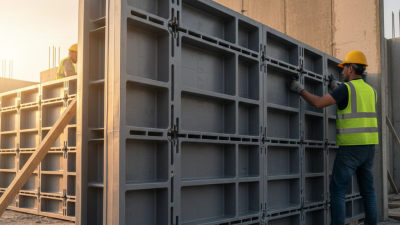
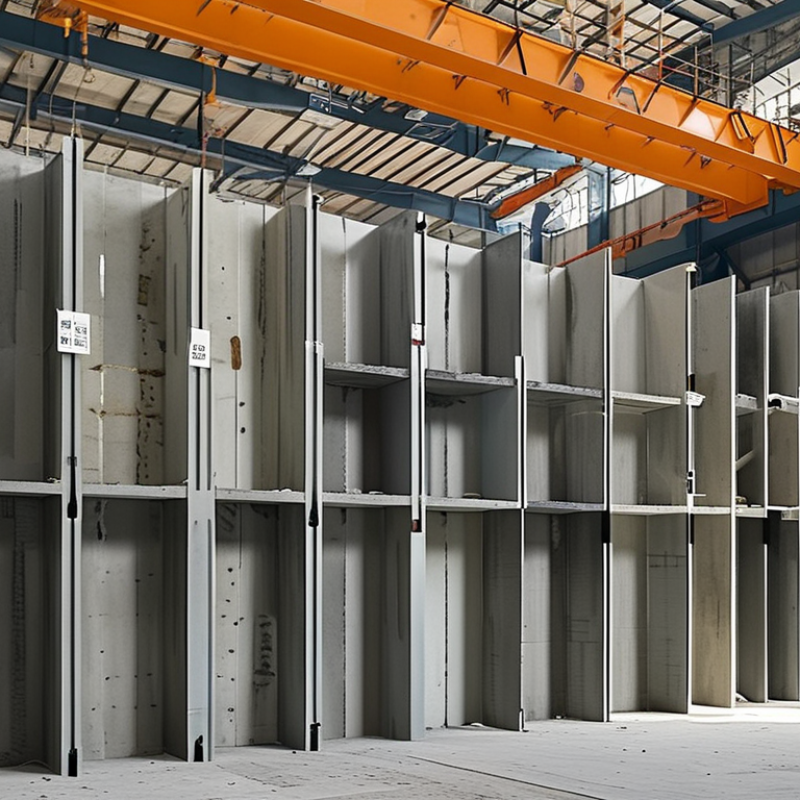
Bulkhead formwork is a temporary stop-end system used to shape the edge of a concrete pour. It holds fresh concrete in place while defining a construction joint. The panel may include openings for reinforcing bars, waterstops, or service sleeves. Its design must resist concrete pressure without shifting or leaking grout. On site, installers check the form against approved drawings, joint details, and required tolerances.
This formwork is common in floor slabs, retaining walls, foundations, bridge decks, culverts, and water-retaining structures. In a basement slab, a bulkhead creates a clean pour boundary around a starter wall. On a bridge deck, it separates staged pours while reinforcement continues through the joint. Modular steel systems suit repeated pours, while timber or plywood can fit unusual shapes. Selection depends on load, reuse, access, finish quality, and site conditions.
Reliable installation needs firm bracing, accurate positioning, and sealed edges. A small gap may leave fins, honeycombing, or an uneven joint. Wet surfaces and congested reinforcement can slow the work. Details matter. Workers should inspect ties, release treatment, embedded items, and concrete cover before pouring. It is tempting to treat a bulkhead as a simple board. Not always. Actual performance depends on engineering checks, careful assembly, and disciplined inspection at the pour location.
Key Features of a Reliable Chinese Bulkhead Formwork Manufacturer
China Best Bulkhead Formwork Manufacturer Supplier?
A reliable Chinese bulkhead formwork manufacturer should prove performance, not only display polished photographs. MarketsandMarkets’ 2024 Formwork Market report forecasts roughly 6% annual growth through 2029. That growth increases pressure to control quality. During site inspections, check panel flatness, weld consistency, tie-rod alignment, and waterstop clearance. A small dimensional error can create honeycombing around a wall joint. The manufacturer should provide load calculations, steel certificates, welding records, and clear assembly drawings. A perfect-looking panel can still fail without traceable documentation.
Safety evidence matters. The U.S. Bureau of Labor Statistics recorded 1,069 construction workplace fatalities in 2023. Bulkhead systems must therefore include practical lifting points, stable bracing, guarded working platforms, and readable capacity markings. Ask whether the supplier performs a trial assembly before shipment. It should inspect release-agent coverage, corner squareness, and bolt fit by hand. I still question suppliers who promise extremely short delivery times without discussing engineering review. Speed is useful, but rushed fabrication often hides avoidable defects.
Tips: Request a sample inspection report. Confirm steel grade and coating thickness. Ask for spare wedges, bolts, and seals. Review tolerances against project standards, such as ACI 347 guidance and EN 13670 requirements. Independent dimensional checks add confidence, especially for reusable bulkhead panels.
Key Features of a Reliable Chinese Bulkhead Formwork Manufacturer
The chart compares practical evaluation criteria used when selecting a bulkhead formwork supplier.
Higher scores indicate greater importance during technical and procurement review.
How to Evaluate Bulkhead Formwork Quality and Technical Standards
Choosing the best China-based bulkhead formwork supplier requires more than comparing steel prices. Quality starts with verified design data. Request drawings showing panel dimensions, steel grade, plate thickness, weld details, lifting points, and allowable pressure. EN 12812:2008 addresses temporary works equipment, while ACI 347R provides practical guidance for concrete formwork design and inspection. Ask the supplier to state design pressure and safety factors, not simply “heavy duty.”
On the factory floor, inspect panel flatness with a straightedge and check diagonal variation across every unit. Measure tie-hole spacing with calipers. Look for continuous welds, sealed corners, clean release-agent surfaces, and serial-number traceability. Load-test records matter. Photographs alone are weak evidence. An independent inspection should verify dimensional tolerances, coating thickness, weld quality, and assembly fit before shipment. EN 1090-2 can support steel fabrication checks where its scope applies. Do not accept certificates without matching heat numbers and test dates.
Performance also depends on site behavior. During pouring, monitor joint opening, leakage, panel movement, and tie-rod deformation. The McKinsey Global Institute’s Reinventing Construction report found construction productivity grew about 1% annually over two decades, showing the cost of rework and poor repeatability. A reliable supplier should provide erection instructions, inspection checklists, repair procedures, and spare-part availability. That sounds basic. It is often missed. One uncomfortable question remains: can the supplier prove performance after repeated stripping cycles, not only after a factory demonstration?
Manufacturing Capabilities, Customization, and Supplier Services
Choosing the best bulkhead formwork manufacturer requires more than comparing prices. Manufacturing capability should be visible in every panel, joint, and lifting point. A dependable factory uses certified steel, accurate CNC cutting, controlled welding, and dimensional inspection. Trial assembly can reveal gaps before the system reaches a construction site.
Customization matters because bulkhead structures rarely share identical conditions. A professional supplier can adjust panel dimensions, tie positions, access openings, chamfers, and working platforms. Engineers should review structural drawings, concrete pressure, reuse cycles, and lifting requirements. Clear shop drawings reduce costly changes. However, no design process is perfect. Site measurements may differ from old drawings, so practical verification remains necessary.
Tips: Ask for material certificates, inspection records, sample drawings, and production photos. Confirm coating thickness and packaging details. Good supplier service includes technical consultation, prototype support, delivery tracking, and installation guidance. After-sales responses should be specific, not merely polite. A useful supplier discusses realistic tolerances, replacement parts, and maintenance procedures. Fast production sounds attractive, but rushed welding or weak edge protection can create problems later. Experience is often shown through careful questions before manufacturing starts.