How to Choose the Right Beam and Slab Formwork for Your Project?
Choosing the right beam and slab formwork for construction projects requires careful consideration. The success of a project hinges on the materials used. Tom Richards, a renowned expert in the formwork industry, states, “The choice of formwork impacts both the timeline and budget of any project.”
Selecting the right beam and slab formwork can be challenging. Many overlook the significance of load capacity and durability. Each project has unique requirements. For instance, heavier beams may need stronger formwork solutions. Ensuring safety and efficiency should be a priority.
Often, professionals default to familiar options rather than exploring innovative choices. This can result in missed opportunities for cost savings and time efficiency. It's crucial to evaluate the specific needs of your project. Every decision made in formwork procurement has lasting impacts. Taking a moment to reflect can lead to better outcomes.
Factors to Consider When Selecting Beam and Slab Formwork Systems
Choosing the right beam and slab formwork is crucial for your project's success. There are several factors you should consider. Start with the load capacity. It needs to support the weight of wet concrete and additional loads. Check the specifications carefully.
**Tips:** Evaluate the load capacities of different systems. Make comparisons to ensure safety.
Next, think about adaptability. Your project site may have unique requirements. The formwork should fit seamlessly. A flexible design helps in reducing installation time and costs. Mistakes in planning could lead to delays.
**Tips:** Measure your space accurately. Create a scale model if necessary.
Finally, consider the material. Wooden formwork is traditional but may not be as durable as steel or aluminum. Each material has its pros and cons. Reflect on the longevity and environmental impact too.
**Tips:** Research local suppliers for material availability. Discuss options with your team.
Factors to Consider When Selecting Beam and Slab Formwork Systems
Comparative Analysis of Traditional vs. Modular Formwork Solutions
When selecting formwork for beam and slab projects, understanding the differences between traditional and modular solutions is key.
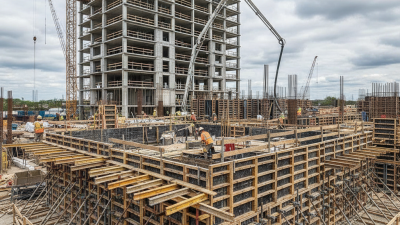
Traditional formwork systems often involve wooden boards and steel frames. These materials are readily available. However, they can be time-consuming to set up. Labor costs can quickly escalate. Workers must measure, cut, and assemble everything on-site. This can lead to inconsistencies in dimensions. Sometimes, adjustments are needed during installation, resulting in delays.
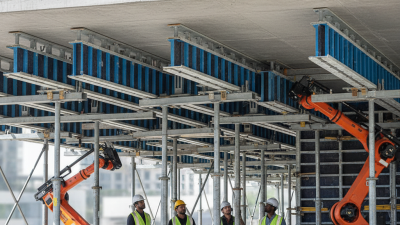
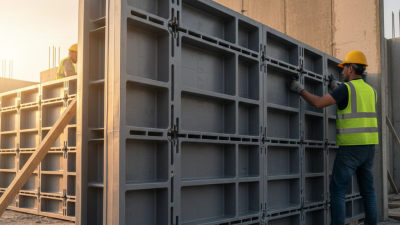
On the other hand, modular formwork systems offer a more streamlined approach. These prefabricated units arrive ready to use. They allow for faster assembly, which can save time. While modular systems typically provide better accuracy, they may require a higher initial investment. Not all projects justify this cost. Some builders find themselves grappling with the decision of whether the benefits outweigh the expenses. Additionally, modular systems are not always adaptable to every site condition, which can pose challenges.
Ultimately, the choice between these two options depends on various project specifics. It’s essential to consider factors such as budget, project scale, and labor availability. Sometimes, traditional methods might be more suitable despite their drawbacks. In contrast, modular formwork could excel in larger, more complex structures. Every project has its unique needs. Careful evaluation of both solutions is necessary for making the right choice.
Load-Bearing Capacities and Their Impact on Formwork Selection
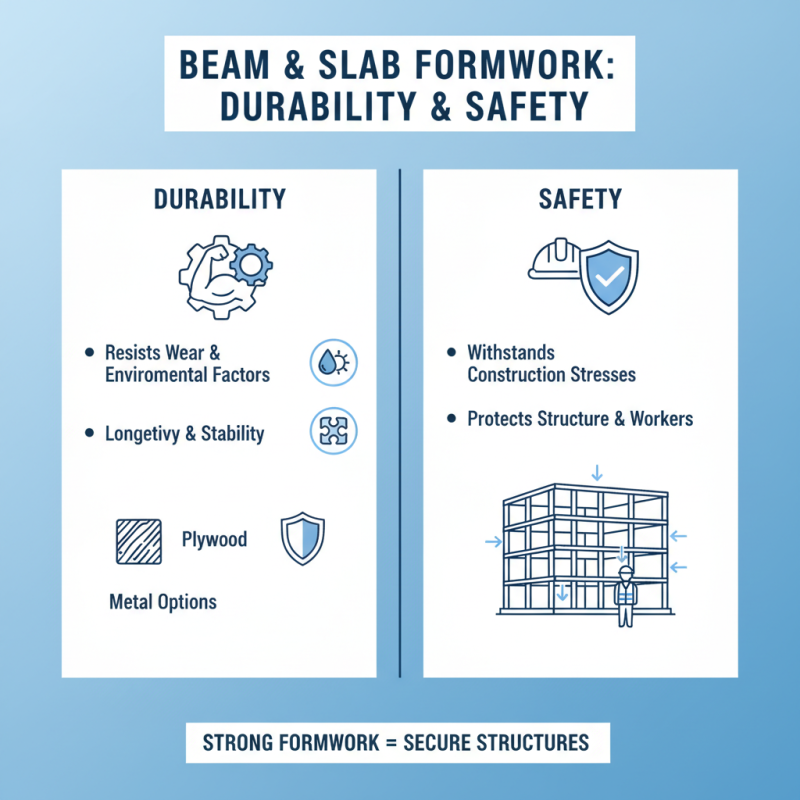
Choosing the right beam and slab formwork hinges on understanding load-bearing capacities. These capacities dictate how much weight the formwork can safely support during construction. If overlooked, this can lead to serious safety issues. It's crucial to assess the loads that will be applied. This includes the weight of wet concrete, equipment, and workers.
Different materials have varying load-bearing strengths. Steel, for example, offers robust support but can be heavier and more costly. Conversely, lightweight materials may reduce costs but might not withstand heavier loads. Understanding the specific requirements of your project matters. It’s easy to misjudge these elements, leading to potential delays or failures.
When selecting formwork, always consider the temporary nature of the setup. It must endure significant stress during the concrete pouring process. Be aware that even slight miscalculations can result in cracks or structural failure. These issues require time and resources to correct. Reflect on your project requirements carefully; the right choice can save both time and money.
Cost-Effectiveness of Different Beam and Slab Formwork Options
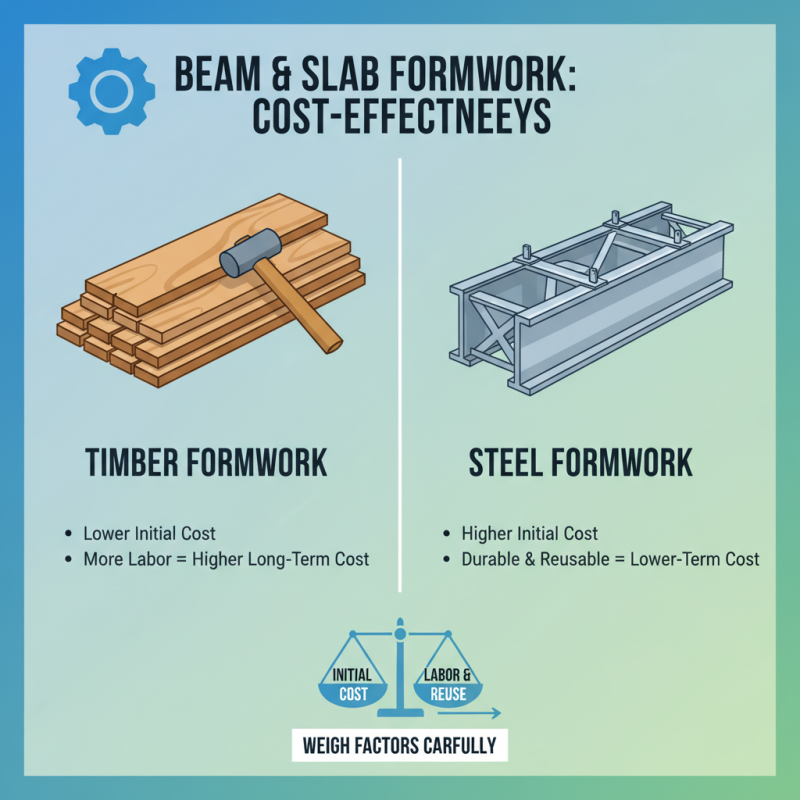
When selecting beam and slab formwork, cost-effectiveness is vital. It can significantly impact your project's budget. Each type of formwork has unique benefits and drawbacks. For instance, traditional timber formwork is often cheaper upfront but may require more labor. This can lead to higher total expenses over time. In contrast, steel formwork is durable and reusable but often comes at a higher initial cost. It’s essential to weigh these factors carefully.
Labor costs play a major role as well. Some formwork systems are quicker to assemble. This can save time and reduce labor costs. However, you might face higher material expenses. It’s easy to overlook the long-term implications of these choices. A cheap option today can turn into a costly hassle later. Ultimately, assessing the overall project budget is essential. Sometimes, investing a bit more upfront pays off in efficiency and longevity. Balancing initial costs against potential long-term savings is crucial in making the right choice.