How to Choose the Right Timber for Concrete Formwork?
Choosing the right timber for concrete formwork is crucial in construction. According to John Smith, a leading expert in construction materials, “The quality of timber influences the durability of concrete forms.” Proper selection affects both performance and costs.
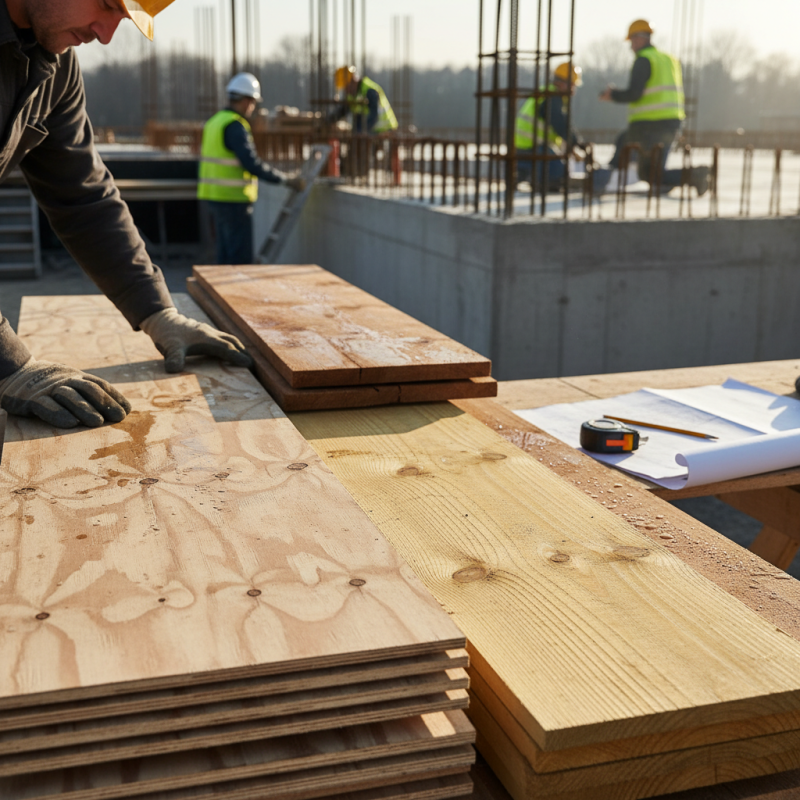
Timber for concrete formwork must meet specific criteria. It needs to withstand moisture, pressure, and weight. Common choices include pine, birch, and plywood. Each type has unique properties. For instance, plywood is versatile and strong, while pine is lightweight.
However, decision-making can become complicated. Factors such as price, availability, and environmental impact must be considered. Workers often face challenges in ensuring the right timber is used. Understanding the intricacies of timber selection is essential. Mastering this process can lead to more efficient projects and long-lasting results.
Factors to Consider in Selecting Timber for Concrete Formwork
When selecting timber for concrete formwork, several factors require careful consideration. The timber's moisture content is crucial. High moisture levels can lead to warping and compromise the form's integrity. According to industry reports, timber with a moisture content between 12 to 15 percent is ideal for formwork applications. This balance helps reduce movement and increases the durability of the formwork.
Another critical factor is the timber's structural properties. Timber must possess adequate strength and stiffness to support the weight of the concrete without bending. A study by the American Wood Council highlights that Douglas fir and Southern yellow pine are among the most reliable timber species for this purpose. Their strength classifications make them suitable for heavy-duty applications. However, it’s vital to be aware that not all timber will perform equally under pressure.
The surface finish of the timber also impacts concrete quality. A rough surface can lead to defects in the concrete finish, causing additional costs in later modifications or repairs. Many professionals overlook this aspect, focusing solely on strength and cost. A smooth, well-prepared surface reduces friction and improves the quality of concrete poured into the formwork. Opting for higher-quality timber may initially seem costly, but it can prevent long-term project issues.
Types of Timber Suitable for Concrete Formwork
When selecting timber for concrete formwork, it's essential to consider various types that fit your project needs. Popular choices include Douglas Fir, Southern Yellow Pine, and Larch. These timbers are recognized for their strength and durability, which are crucial for withstanding the heavy loads of poured concrete. According to industry reports, Douglas Fir offers a high strength-to-weight ratio, making it ideal for formwork applications.
Southern Yellow Pine is another excellent option due to its resistance to wear. It is less prone to warping, ensuring that your formwork maintains its shape during the curing process. Larch stands out for its natural resistance to decay and moisture. This characteristic prolongs the life of the formwork, which can save costs over time.
Tip: Always inspect timber for defects. You want straight, knot-free sections. Any imperfections can compromise the formwork's integrity.
Some considerations may arise while using these materials. For example, timber can absorb moisture, leading to swelling and distortion. It is crucial to protect timber from rain or damp conditions before use. Also, maintaining the correct dimensions is vital. An inconsistency, even a minor one, can affect the final concrete structure.
Tip: Ensure proper storage for your timber. Keeping it dry and elevated off the ground helps maintain its quality.
Strength and Durability Requirements for Formwork Timber
When selecting timber for concrete formwork, understanding strength and durability is critical. Concrete formwork must withstand immense pressure during the pour. Studies indicate that timber needs a minimum compressive strength of 40 MPa to ensure optimal performance. Furthermore, the durability of the chosen timber should be assessed based on environmental conditions. Untreated timber can degrade rapidly, especially in humid climates.
Incorporating high-density hardwoods or resin-treated softwoods can significantly enhance the lifespan of formwork. Research from industry reports shows that treated timber can resist moisture and pests, extending usable life by over 30%. Engineers and builders must also consider the timber's ability to maintain dimensional stability under varying loads and moisture levels. Any deformation or failure in formwork can lead to structural issues in the final concrete.
Many projects overlook the importance of timber quality, leading to potential failures. For instance, using low-grade timber might reduce upfront costs but often results in higher long-term expenses due to repairs or replacements. Understanding these factors ensures safety and integrity in construction. It's essential to invest time in selecting the right timber, as the consequences of poor choices can be significant and costly.
Cost-Effectiveness: Balancing Quality and Price in Timber Selection
Selecting the right timber for concrete formwork is crucial for any construction project. When balancing quality and price, it's essential to consider several factors. The most cost-effective choice may not always be the cheapest timber available. For example, using lower-quality wood might save money upfront but can lead to issues such as warping or splitting. Over time, these problems could increase costs significantly.
Investing in quality timber can enhance the durability of formwork. It ultimately provides better support during the pouring of concrete. High-quality timber resists damage, reducing the frequency of replacements. However, strong wood comes at a higher initial cost. This forces builders to weigh the long-term benefits against short-term expenses.
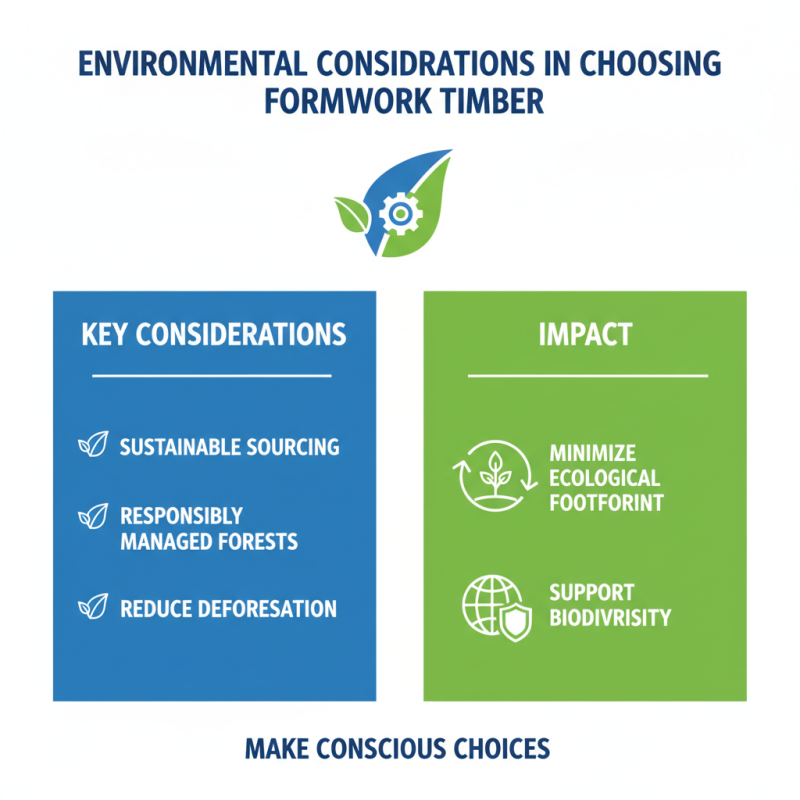
It's easy to overlook the importance of sourcing reliable timber suppliers. Cutting corners on material can lead to project delays and increased expenses. Often, the cheapest option does not reflect the strength needed for demanding structures. When assessing timber, consider its sustainability as well. Choosing responsibly sourced wood supports eco-friendly practices and can boost a project's reputation. In this field, choosing wisely is a balancing act that requires careful thought and planning.
How to Choose the Right Timber for Concrete Formwork? - Cost-Effectiveness: Balancing Quality and Price in Timber Selection
| Timber Type |
Cost per Cubic Meter |
Durability (Years) |
Weight (kg/m³) |
Moisture Resistance |
| Plywood |
$250 |
5-10 |
500 |
High |
| Laminated Veneer Lumber (LVL) |
$450 |
10-15 |
600 |
Medium |
| Softwood (Pine) |
$200 |
3-5 |
400 |
Low |
| Hardwood (Oak) |
$600 |
15-20 |
800 |
High |
| Oriented Strand Board (OSB) |
$230 |
5-7 |
550 |
Medium |