Top Boards for Concrete Formwork What You Need to Know
When considering the construction of concrete structures, selecting the right boards for concrete formwork is crucial. John Smith, a renowned expert in the concrete industry, once stated, "Quality formwork is the backbone of any successful concrete project." This highlights the importance of choosing appropriate materials.
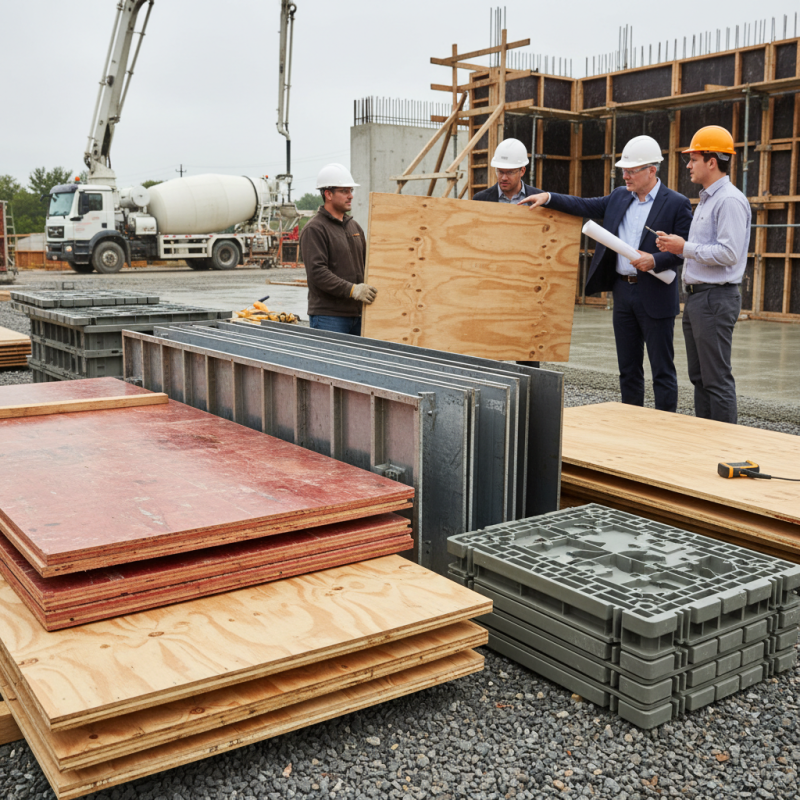
Boards for concrete formwork come in various types. Some are made from plywood, others from steel or plastic. Each material has unique properties and benefits. Choosing the wrong board can lead to costly mistakes. Proper planning is essential to avoid issues during the pouring process.
Moreover, environmental factors can affect the performance of these boards. Humidity and temperature changes can warp wood and compromise formwork integrity. Understanding these challenges is key. Considering expert advice and material specifications can mitigate risks. Builders must reflect on their choices and their impacts on the project’s outcome.
Key Types of Concrete Formwork Boards and Their Uses
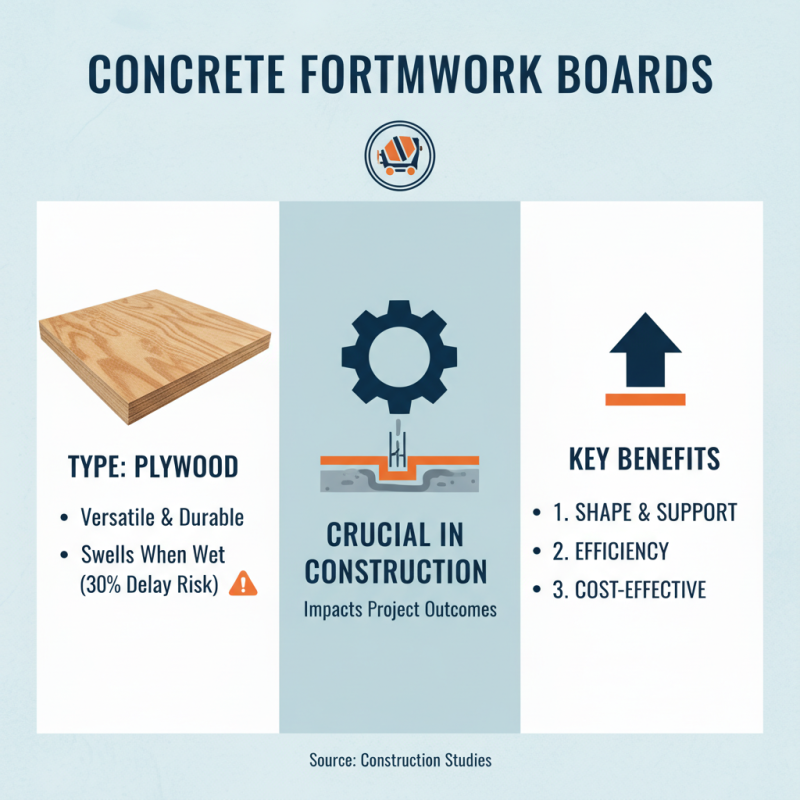
Concrete formwork is crucial in construction. Understanding the key types of concrete formwork boards can significantly impact project outcomes. Plywood is a common choice. It is versatile and durable, but it may swell when wet. Studies indicate that about 30% of construction delays stem from formwork issues.
Steel formwork boards are another option. They offer longevity and can be reused many times. However, they are heavier and more expensive. The initial cost can be a concern, making it less appealing for smaller projects. In fact, a report from a construction industry study shows that nearly 25% of projects face budget overruns due to formwork material choices.
Aluminum formwork is lightweight and easy to handle. It can speed up construction but is less common due to cost. Choosing the right formwork board requires balancing these factors. Many contractors overlook the long-term benefits, focusing only on immediate costs. This can lead to regrets when facing project delays or quality issues. The selection process should reflect not only present needs but future implications as well.
Materials Commonly Used for Concrete Formwork Boards
When it comes to concrete formwork boards, selecting the right materials is crucial for achieving strong and durable structures. Commonly used materials include plywood, steel, and plastic. Plywood is favored for its lightweight nature and flexibility. It is easy to cut and shape, making it suitable for various projects. However, the quality can vary, and using subpar plywood may lead to issues like warping or fracturing.
Steel formwork offers durability and strength. It can withstand high pressure and is reusable, making it a cost-effective option over time. But the initial investment can be high. Additionally, rust can be a problem if not properly maintained. On the other hand, plastic formwork is lightweight and moisture-resistant. However, it may not provide the same structural integrity as wood or steel. Many users find themselves choosing a mix of these materials, which can create complications during the assembly.
Designing projects with these materials requires careful consideration. Each option has unique benefits and drawbacks. For instance, while plywood is easy to work with, it often necessitates additional treatments to prevent damage. Conversely, steel’s sturdiness may lead to increased labor costs. Balancing these factors is essential for any construction endeavor.
Top Boards for Concrete Formwork
Factors to Consider When Choosing Formwork Boards
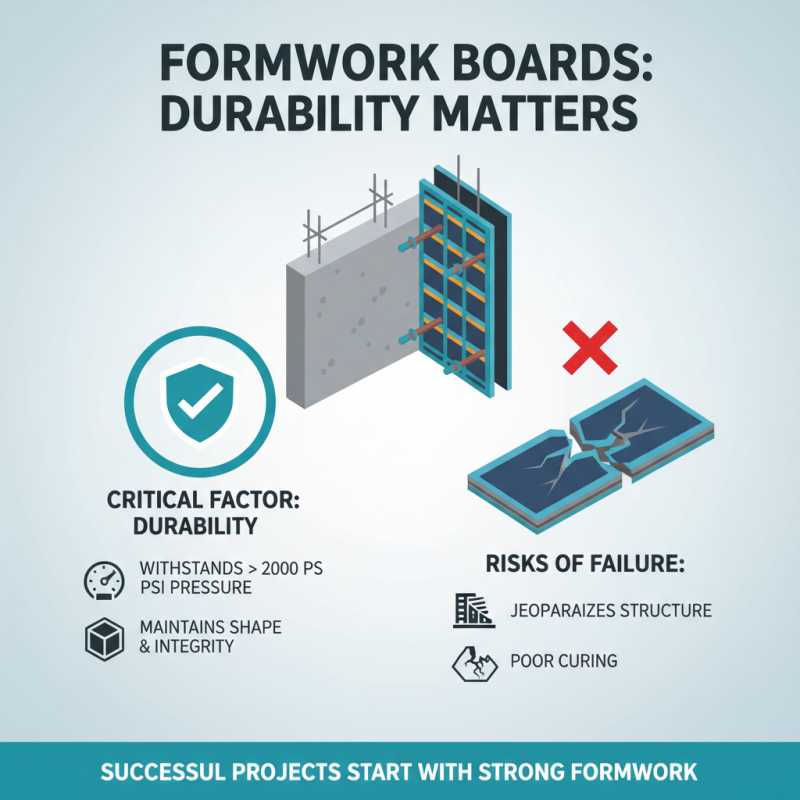
When selecting formwork boards for concrete pouring, several critical factors can significantly impact your project’s success. Durability is paramount. Research indicates that well-constructed boards can withstand pressure exceeding 2,000 PSI. This is vital for maintaining shape and integrity during the curing process. A board that fails under pressure can jeopardize the entire structure.
Weight and handling are also essential considerations. Lighter boards facilitate easier transportation and setup. However, it is important to balance weight with strength. Using boards that are too lightweight could lead to warping or bending under pressure. This mistake often results in rework, which can inflate project costs by up to 25%.
Another factor to reflect on is the surface texture. Smooth surfaces may lead to better finish quality, while rougher textures can improve adhesion. However, these choices may impact the removal process. A perfect finish isn’t always the goal; sometimes, functionality takes precedence. Assessing these trade-offs is crucial. Ultimately, the selection of concrete formwork boards requires careful consideration of project-specific needs and potential pitfalls.
Best Practices for Installing Concrete Formwork Boards
When installing concrete formwork boards, precision matters. Accurate measurements lead to better concrete placement. According to industry reports, poor formwork can contribute to up to 20% of project delays. This highlights the need for meticulous planning and execution.
Using high-quality materials is crucial. Various studies suggest that boards made from engineered wood reduce defects during the curing process. Their uniformity leads to a more stable formation which is essential for structural integrity. Even with superior materials, regular inspections are necessary. Small cracks or warping in formwork can cause significant issues.
Training workers on best practices is often overlooked. Many laborers rely on outdated techniques. Continuous education can improve efficiency. In one study, teams that underwent recent training reduced formwork-related errors by 30%. A collective focus on attention might seem trivial, but it directly impacts project success.
Top Boards for Concrete Formwork: What You Need to Know
| Board Type |
Material |
Thickness (inches) |
Common Uses |
Advantages |
Disadvantages |
| Plywood |
Wood |
3/4 |
Slabs, walls |
Cost-effective, easy to work with |
Can warp, limited reuse |
| Steel |
Metal |
1/4 |
Columns, heavy-duty structures |
Durable, reusable |
Higher cost, requires special tools |
| Plastic |
Polymer |
1/2 |
Curved pieces, ramps |
Lightweight, water-resistant |
Less rigid, can be expensive |
| Aluminum |
Metal |
3/16 |
Walls, slabs |
Lightweight, corrosion-resistant |
Moderate cost, potential for denting |
Maintenance and Care for Longevity of Formwork Boards
Proper maintenance of concrete formwork boards is crucial for ensuring their longevity and efficiency. According to a recent industry report, poorly maintained formwork can lead to a 30% increase in project costs due to delays and material replacements. Regular cleaning helps prevent concrete build-up, which can degrade the surface over time. Neglecting this simple task may lead to surface imperfections, affecting the quality of the final structure.
Additionally, inspecting formwork boards for any signs of wear and tear is essential. A 2019 study highlighted that about 25% of formwork failures are attributed to deterioration. Cracks or warping can compromise structural integrity and lead to significant safety issues. Prioritize routine checks after every use. Storing boards in a controlled environment, away from moisture, helps reduce environmental damage. Remember that these simple steps can improve durability and reduce long-term costs, enhancing overall efficiency.